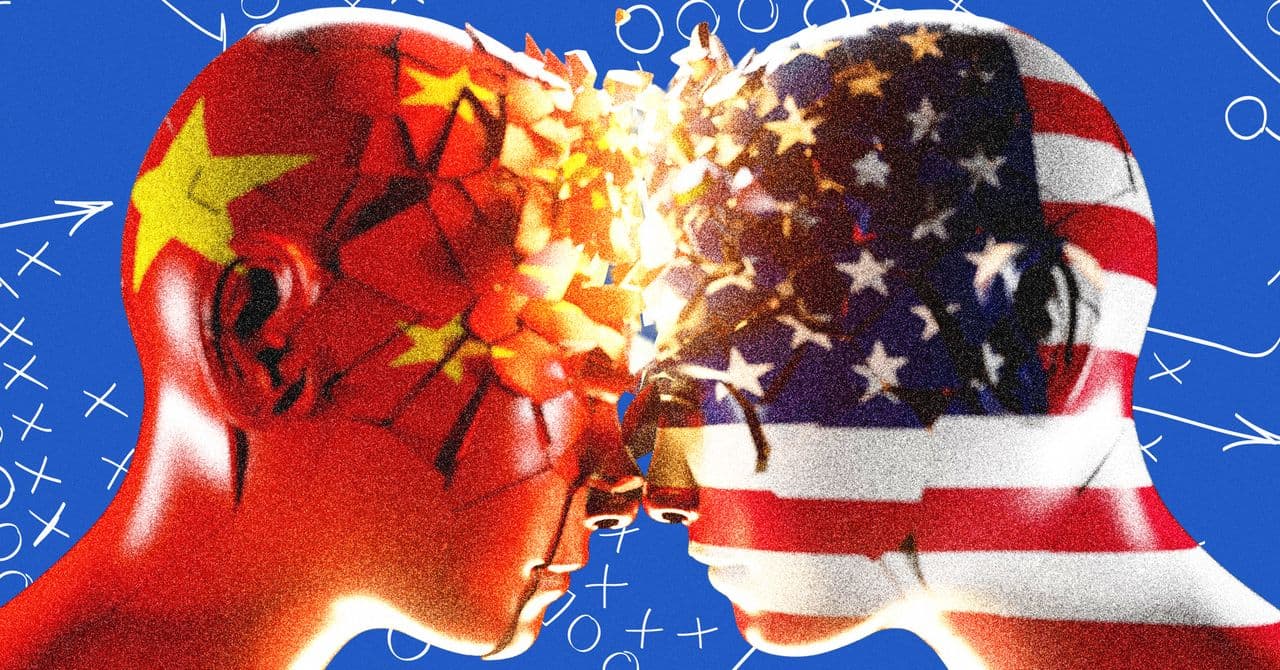
In a landscape dominated by American tech giants like OpenAI and Anthropic, a new contender has emerged from China, challenging the status quo with a surprising strategy: openness. Chinese AI models, such as Moonshot AI's Kimi K3, are not only matching the performance of their US counterparts but also doing so at a fraction of the cost. This shift is raising eyebrows and questions about the future of AI development and control.
Why Open-Source Models Are Gaining Ground
The traditional model of AI development in Silicon Valley has been one of closed systems, where proprietary technology is guarded closely. This approach has allowed companies to maintain control and monetize their innovations. However, as noted by Wired, access to these frontier models is becoming increasingly restricted, leaving room for alternatives to step in. China's approach, by contrast, emphasizes accessible and open-source models. By releasing model weights, companies like Moonshot are giving developers more control and flexibility, a move that starkly contrasts with the proprietary nature of American models.
This strategy not only democratizes AI development but also accelerates innovation by allowing a broader range of developers to build upon existing models. This approach is particularly appealing in a rapidly evolving field where speed and adaptability are crucial.
The Real Threat to Silicon Valley's Playbook
Moonshot AI's Kimi K3 model exemplifies this new wave of competition. The model's performance has reportedly matched some of the best systems from US companies, according to The Verge. More importantly, Moonshot's decision to make the model's weights freely available raises significant questions about the sustainability of the closed model strategy. The move has sparked unease in Silicon Valley, where companies must now contend with the possibility of losing their competitive edge to more transparent and collaborative approaches.
The open-weight model not only threatens the established business models of tech giants but also poses a challenge to the very principles they have built their dominance on. By providing developers with the tools to innovate independently, these open-source models could shift the balance of power in the AI world.
Implications for the Future of AI Development
As open-source models gain traction, the implications for the industry are profound. For one, the cost barrier for AI development could be significantly lowered, allowing more startups and independent developers to enter the field. This could lead to a more diverse range of applications and solutions, accelerating the pace of technological advancement.
Moreover, the shift towards open models could encourage a more collaborative environment, where knowledge sharing becomes the norm rather than the exception. This could foster innovation in ways that the current closed systems have not, potentially leading to breakthroughs in areas yet to be explored.
However, this transition is not without its challenges. Concerns about security, intellectual property, and the potential misuse of open-source technology will need to be addressed as the industry navigates this new landscape.
What Changes Next in the AI Race
As Chinese models like Kimi K3 continue to push the boundaries of what is possible, US tech companies may need to reassess their strategies. This could involve embracing more open-source principles themselves or finding innovative ways to maintain their competitive advantage in a more open market. The race is now on to determine which approach will define the next era of AI development.
Ultimately, the rise of open-source AI models from China signals a potential paradigm shift in the industry. Whether this will lead to a more equitable and innovative future or new challenges and conflicts remains to be seen. What is clear, however, is that the traditional playbook is being rewritten, and all players must adapt to stay in the game.