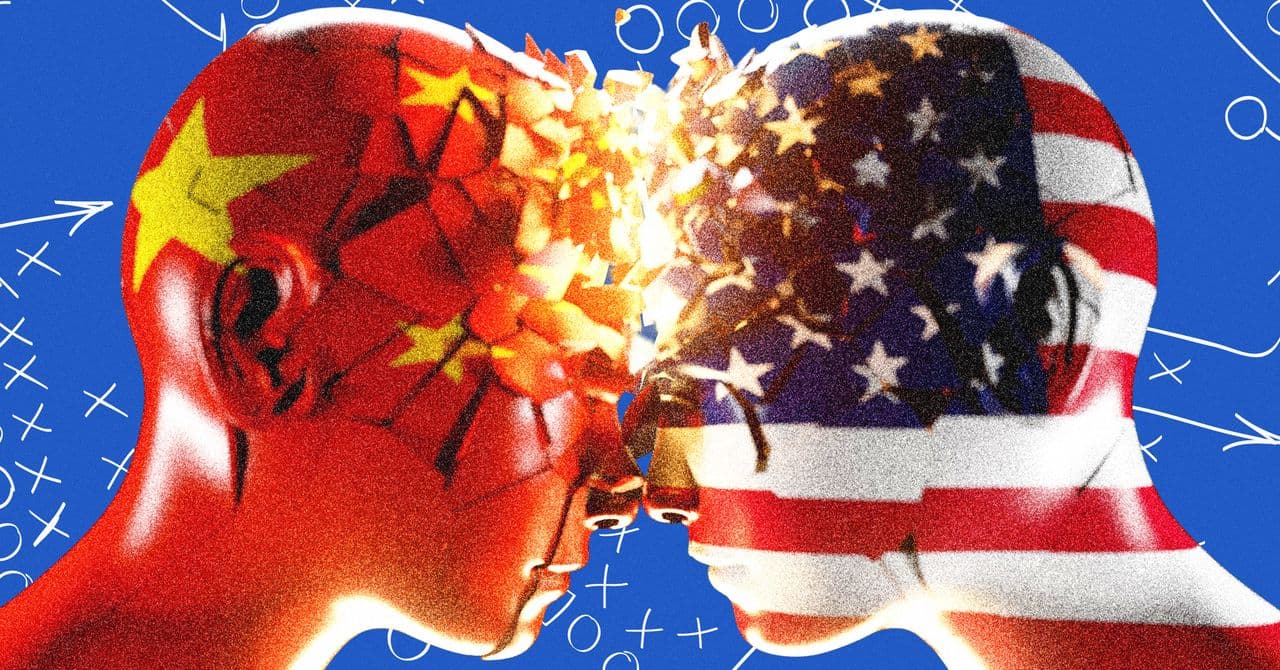
The global AI landscape is undergoing a seismic shift, driven by a bold move from Chinese AI developers. As American companies like Anthropic and OpenAI tighten access to their top models, Chinese labs are rolling out open-source alternatives that promise both power and accessibility. This shift not only challenges Silicon Valley's traditional playbook but also raises questions about the future direction of AI development worldwide.
Why China is Betting on Open Source
China's decision to embrace open-source AI models is not born out of mere altruism. As reported by The Verge, the strategic release of models like Moonshot AI's Kimi K3, which rivals top US systems at a fraction of the cost, is a calculated move to capture market share. By making these models freely available, Chinese developers are not only sidestepping the restrictions of proprietary systems but also positioning themselves as viable alternatives.
The implications of this strategy are vast. Open-weight models grant developers unparalleled control, allowing them to customize and optimize systems without being shackled by the limitations of closed ecosystems. This approach could democratize AI development, empowering smaller companies and individual developers to innovate without the barriers imposed by expensive licensing fees and restricted access.
Silicon Valley's Model Under Threat
Historically, Silicon Valley has thrived on the strength of its proprietary models, which offer cutting-edge capabilities at the cost of control and flexibility for users. The emergence of Chinese open-source alternatives, detailed in Wired, threatens this paradigm. With Chinese labs offering stable and accessible models, the competitive edge of closed American systems is diminishing.
This development has sparked a sense of urgency in the US tech sector. As the article in Wired outlines, the accessibility and performance of these open models have stoked fears that US firms might lose their dominant position. The proprietary nature of American AI systems, once seen as a strength, is now a potential liability in a world where open-source models are gaining traction.
What Changes Next?
The rise of open-source models is forcing a reevaluation of AI strategies on a global scale. For US companies, this could mean adopting a more open approach to AI development to remain competitive. By offering more transparent and accessible options, they could retain their influence and continue to attract a diverse range of developers.
For developers and businesses worldwide, the increasing availability of powerful open-source models could lead to a more vibrant and competitive market. This democratization of AI technology may spur innovation across industries, as more players gain access to advanced tools without prohibitive costs.
In conclusion, the open-source movement spearheaded by Chinese AI developers is reshaping the global AI landscape. It challenges the status quo, offering a glimpse into a future where accessibility and innovation go hand in hand. As the world watches these developments, one thing is clear: the traditional boundaries of AI development are being redrawn, and the implications will be felt across the globe.