In the rapidly evolving world of artificial intelligence, the ability to manage multiple AI agents effectively has become paramount. Claude Code's latest feature promises to deliver exactly that, but it also brings with it a series of challenges that developers must face head-on.
AI Management: More Than Just a Fancy Feature
The revamped projects feature in Claude Code, highlighted by The Verge, introduces a sophisticated orchestration system where multiple AI agents can operate under a unified framework. This involves sharing memory and goals, similar to systems like Grok Bot. A unique aspect here is the "coordinator" that ensures all agents work towards the same objectives while maintaining order within the cloud-based environment.
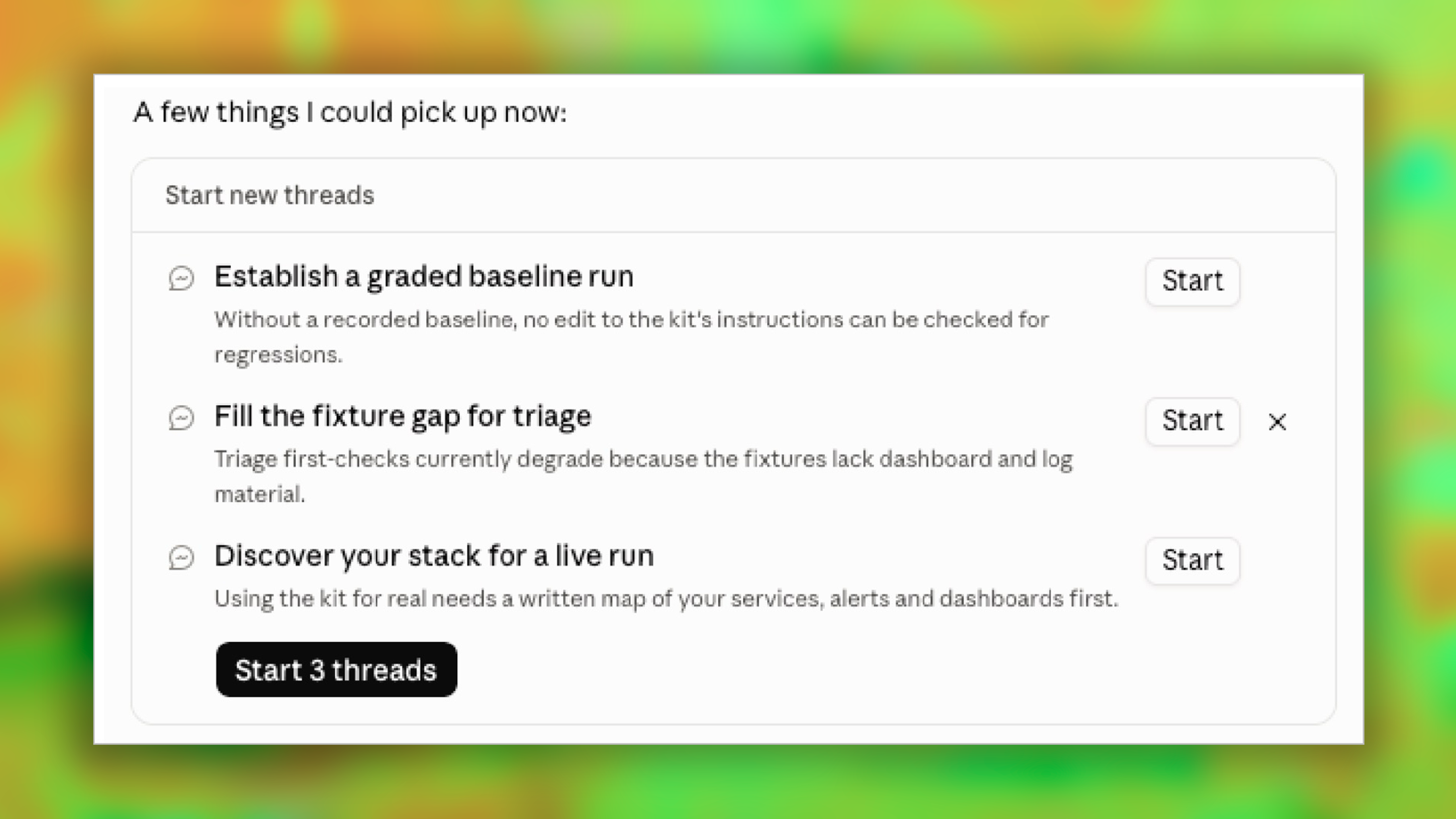
However, this feature is not merely a fancy upgrade. It represents a fundamental shift in how AI projects can be approached. The ability to run multiple threads simultaneously and resolve overlaps as merge conflicts could significantly enhance productivity. But this also presents a new layer of complexity for developers, especially when these agents are working on the same codebase.
Why Local Developers Are Left Waiting
While the potential of this new system is immense, it comes with a significant caveat: local developers might find themselves at a disadvantage. According to ZDNet, the orchestration capabilities are primarily cloud-based, which means developers who prefer or need to work locally will have to wait for further integrations.
This limitation raises questions about accessibility and inclusivity. Not all developers have the luxury of working within a cloud infrastructure, whether due to cost, security concerns, or other operational constraints. This gap in accessibility could stifle innovation and reduce the diversity of input, a crucial factor in developing robust AI solutions.
Merge Conflicts: An Inevitable Friction
Another significant aspect of the new Claude Code feature is the handling of merge conflicts. As The Verge points out, each thread operates on its own branch, and any overlap in work is resolved through traditional merge conflict processes. This might sound straightforward, but it introduces a layer of friction that could lead to inefficiencies if not managed correctly.
While merge conflicts are nothing new in software development, their frequency and complexity could increase dramatically with multiple AI agents working in parallel. Developers must be prepared to handle these conflicts efficiently to fully leverage the power of the new orchestration system.
What's Next for AI Orchestration?
Looking forward, the future of AI orchestration seems promising yet uncertain. The potential for enhanced collaboration among AI agents is undeniable, but achieving seamless integration will require overcoming significant challenges. Developers, especially those working outside of cloud infrastructures, will need to adapt quickly to stay relevant.
As AI orchestration tools become more sophisticated, the focus should be on making these tools more accessible and resolving potential conflicts more effectively. Only by addressing these issues can the full potential of AI orchestration be realized, paving the way for more innovative and inclusive AI solutions.