
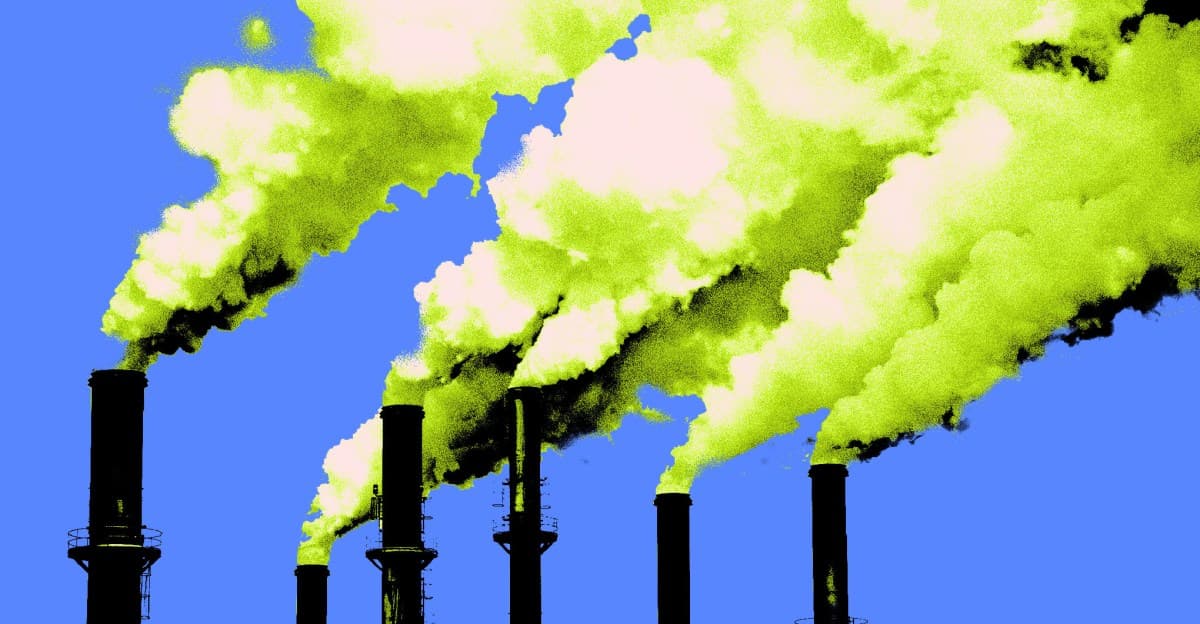
The Environmental Protection Agency (EPA) has once again made headlines with its recent decision to dismantle existing greenhouse gas pollution standards for power plants across the United States. This move is emblematic of the broader deregulatory agenda pursued by the Trump administration, ostensibly to spur economic growth and technological advancement, particularly in the field of artificial intelligence (AI). Yet, while this agenda might promise economic benefits, it raises significant concerns about environmental degradation and public health.
The Deregulatory Push: An Economic Silver Lining?
President Donald Trump has consistently advocated for reducing regulatory burdens, arguing that they stifle growth and innovation. The recent EPA decision aligns with this philosophy, intending to facilitate the expansion of energy-intensive industries such as AI and data centers. As reported by The Verge, the relaxation of emission standards is seen as a way to meet the growing power demands driven by AI, electric vehicles, and domestic manufacturing.
Additionally, a rollback on methane regulations, led by a former oil lobbyist now heading the EPA’s air office, is estimated to save the oil and gas industry a staggering $42 billion, according to DMNews. This substantial financial boon is a clear example of how deregulation can directly benefit industry stakeholders, potentially boosting economic activity.
The Environmental and Health Costs of Deregulation
Despite the touted economic advantages, the environmental and public health costs of such deregulation cannot be ignored. The EPA’s proposal to eliminate climate pollution rules is expected to make electricity generation dirtier, exacerbating environmental challenges at a time when global climate goals are more pressing than ever. Former EPA officials have expressed concern that prioritizing data center growth over environmental protections could lead to heightened health risks for American communities.
Furthermore, the rollback of methane regulations, while financially beneficial to the industry, may result in increased emissions of a potent greenhouse gas, contributing to climate change and air quality deterioration. These decisions reflect a stark prioritization of industry benefits over environmental stewardship and public health protections.
What Changes Next: Balancing Growth and Sustainability
Moving forward, the challenge will be to find a balance between fostering economic growth and safeguarding the environment. Policymakers, industry leaders, and environmental advocates must engage in dialogue to develop strategies that accommodate technological and economic advancements without compromising on climate goals and health standards.
The recent calls for a "Data Center Health Protection Pledge" signify an effort to hold the administration accountable for the environmental impacts of its policies. While the likelihood of such a pledge being adopted appears slim, it underscores the need for a thoughtful approach that integrates economic, environmental, and public health considerations.
Conclusion: A Need for Informed Policy Decisions
The ongoing tension between deregulation and environmental protection highlights the complexities of policy-making in an era of rapid technological change. As the United States strives to establish itself as a leader in AI and other advanced technologies, the path forward must be navigated with caution and foresight. Policymakers must weigh the immediate economic benefits of deregulation against the long-term implications for the environment and public health.
While the economic rationale for deregulation is clear, the potential costs demand equal attention. A robust dialogue that considers all stakeholders' perspectives will be essential to crafting policies that support sustainable growth and protect the planet for future generations.