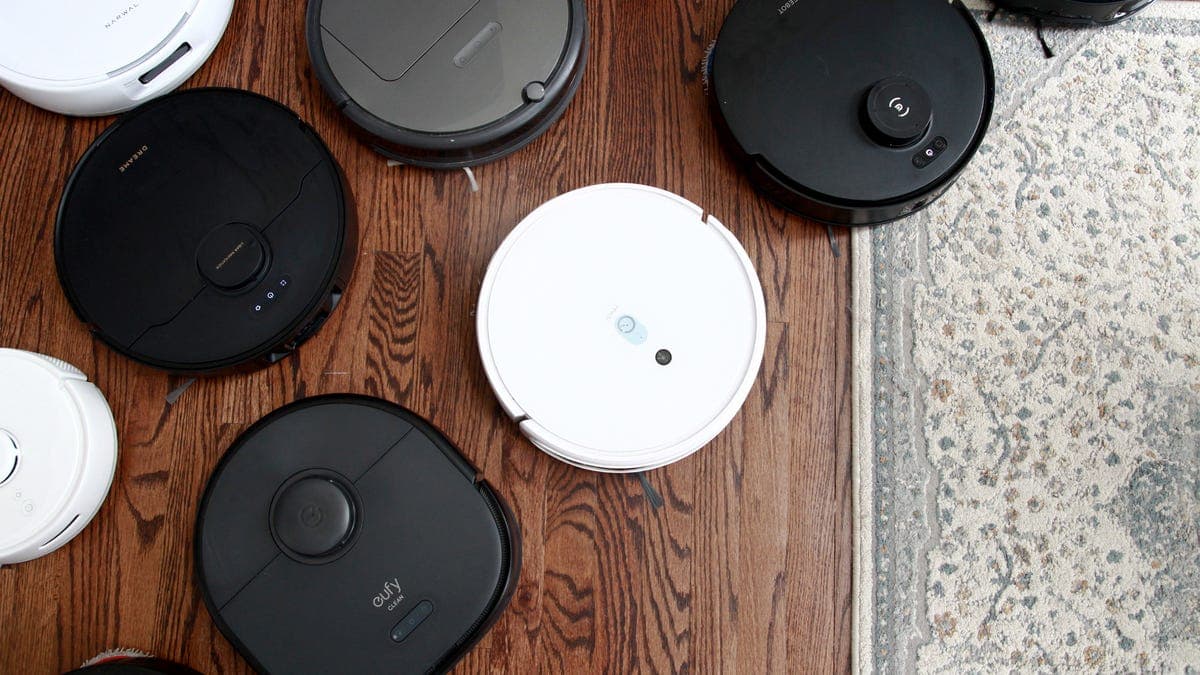
The Federal Communications Commission's recent decision to ban foreign-made robot vacuums has stirred significant controversy and concern among consumers and manufacturers alike. This ruling is part of a broader effort to address security risks associated with devices produced overseas, particularly those from China. The implications are profound, affecting not only the availability of popular robotic vacuums but also the dynamics of global manufacturing and trade.
Security Fears Drive Regulatory Change
The primary motivation behind the FCC's ban is the perceived security threat posed by foreign-manufactured robots. As reported by ZDNet, these devices, including well-known brands like Roomba, are seen as potential vectors for espionage and data breaches. This fear is not unfounded, considering the increasing sophistication of cyber threats and the growing interconnectivity of household devices. By restricting foreign-made robots, the FCC aims to mitigate these risks and protect consumer data from potential exploitation.
Domestic Manufacturers Eye Opportunity
While the ban presents challenges for consumers and manufacturers reliant on Chinese components, it also opens doors for domestic production. According to Wired, companies like Ati Robotics are already adapting by assembling their robots outside of China, notably in India, while minimizing reliance on Chinese parts. This strategic shift could enable such companies to capitalize on the new regulatory environment, positioning themselves as safer alternatives to foreign-made products.
However, this transition is not without its hurdles. Establishing a robust supply chain that is independent of Chinese manufacturing requires significant investment and time. Moreover, the cost of producing these robots domestically may lead to higher prices for consumers, potentially limiting access to affordable robotic solutions for household chores.
Consumers Face a New Reality
The immediate impact of the FCC's ban on consumers is a reduction in available choices. Many households depend on robotic vacuums and lawn mowers for convenience and efficiency, and the restriction on popular models could lead to frustration and dissatisfaction. Additionally, as domestic manufacturers ramp up production to fill the void left by foreign brands, consumers may experience price increases, affecting purchasing decisions.
Moreover, as manufacturers adjust their supply chains and production processes, there might be a temporary period of adjustment where the availability of these products is limited. This could further compound consumer frustration, especially for those who have grown accustomed to the convenience offered by robotic assistants.
What Changes Next?
Looking ahead, the landscape of robotic manufacturing and procurement is poised for significant shifts. Companies will need to innovate and adapt to maintain competitiveness in a market now constrained by regulatory measures. This could lead to a surge in research and development efforts focused on creating more secure, efficient, and locally-produced robotic solutions.
For consumers, the changes may initially seem restrictive, but they also promise a future where data security is prioritized. As the industry evolves, it is likely that more robust and secure robotic technologies will emerge, offering peace of mind alongside convenience.
Ultimately, the FCC's ban reflects a broader trend toward securing the digital landscape, emphasizing the need for vigilance in the face of evolving technological threats. While the immediate effects may be challenging, the long-term benefits could lead to a safer and more resilient digital ecosystem.