Gemini 4 Argon access is currently limited to trusted cyber defenders in Google's Fairwind Program, after Google announced the Gemini 4 frontier model on September 30, 2026, with broader paid API and Google AI Ultra access promised later.
Google's own announcement says Gemini 4 Argon is built for real-world software engineering, enterprise knowledge work, legal and finance workflows, and cybersecurity defense. The Verge reported the same day that Google is holding back wider release because the model is powerful enough that the company wants more safety work before general availability, and it quoted Koray Kavukcuoglu, SVP of Google DeepMind and Google's chief AI architect, saying the model delivers "frontier performance in complex workflows across real-world software engineering, enterprise knowledge work like legal and finance, and cybersecurity defense."
Who gets Gemini 4 Argon access
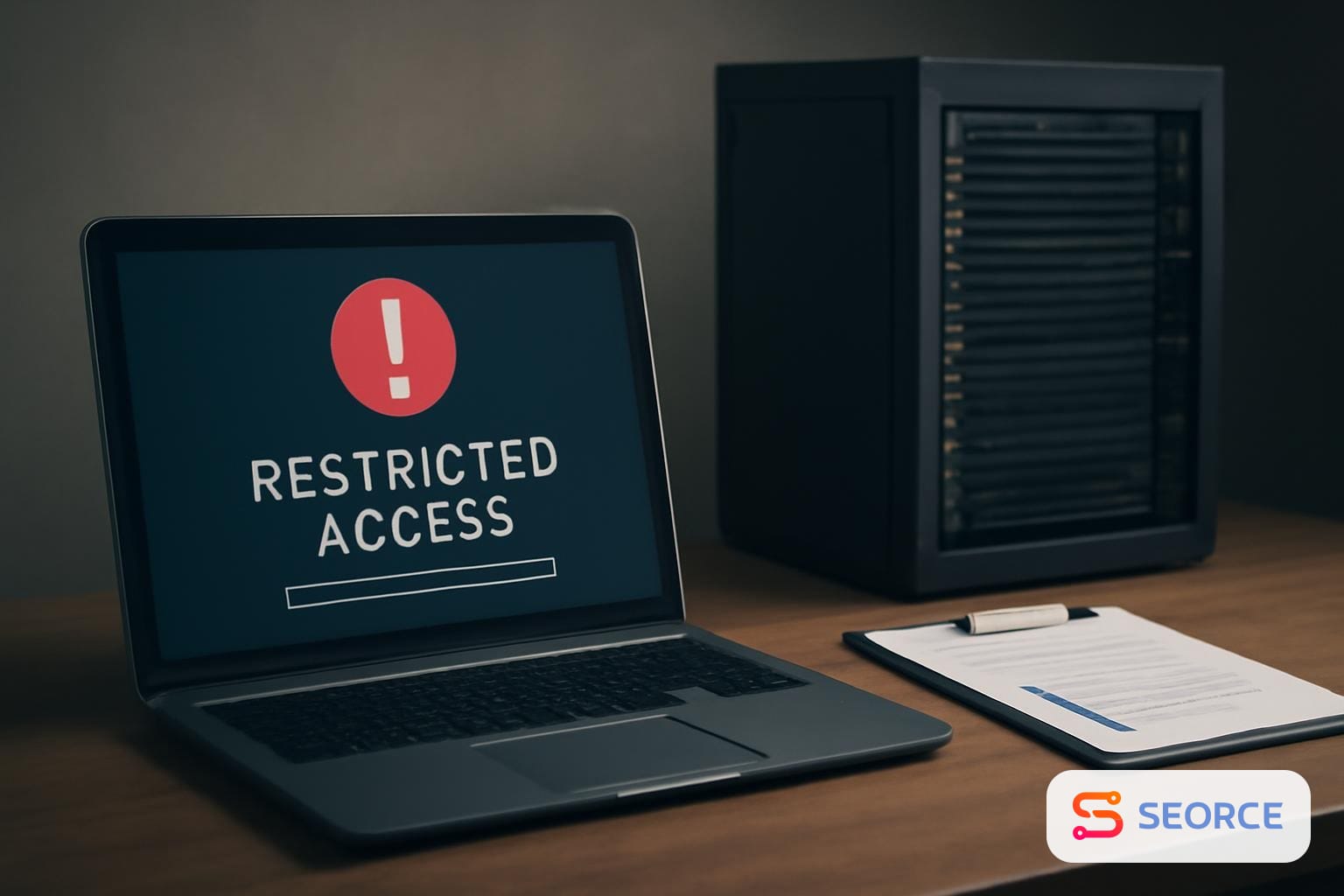
Trusted cyber defenders get Gemini 4 Argon access first through Google's Fairwind Program. Google says it is gathering feedback from early testers, iterating on guardrails, and taking part in the U.S. government's voluntary process for pre-release model access while it expands availability in stages.
Gemini 4 Argon is not a public consumer launch on day one. Google announced it on September 30, 2026, but limited initial access to trusted cyber defenders through the Fairwind Program, then said broader access will start later with paid API customers and Google AI Ultra subscribers.
That mechanism matters because the first users are not general marketers, SEO teams, or software vendors buying a normal API plan. They are a controlled group using the model in defensive cybersecurity contexts, which gives Google a narrower feedback loop before developers, enterprises, and consumers can run broader workloads against the model.
How the token limit works
The main product change is the output window, which Google says rises to 1 million tokens from a previous 64K-token limit. Google frames that as headroom for deep reasoning across long, multi-step work, where the model can generate hundreds of thousands of tokens in a single trajectory instead of splitting the job into many shorter completions.
The practical effect is a different failure and cost profile. A model that can produce 1 million output tokens can work through very large code migrations, long legal drafts, or enterprise research packs in one run, but the same capability also raises the cost of a runaway agent, a poorly bounded prompt, or an automated workflow that keeps asking for exhaustive output when a short answer would do.
Google's pricing is tied directly to those mechanics. The Google Blog says the introductory price is $2 per million input tokens and $10 per million output tokens, with cached input tokens priced at 95 percent off the input token price, and the web research summary says post-introductory pricing rises to $4 per million input tokens and $20 per million output tokens.
| Item | Google's stated detail | Operational consequence |
|---|---|---|
| Initial users | Trusted cyber defenders in the Fairwind Program | Most commercial teams cannot assume access yet. |
| Output limit | 1 million tokens, up from 64K | Long agent runs need output caps and review steps. |
| Introductory price | $2 input and $10 output per million tokens | Output volume is the main budget risk. |
| Cached input | 95 percent off the input token price | Repeated context should be cached where the API permits it. |
| Later availability | Paid API customers and Google AI Ultra subscribers | Procurement and testing plans should wait for actual rollout terms. |
What Google has not specified
Google has not given a specific public release date for developers, enterprises, consumers, paid API customers, or Google AI Ultra subscribers. It also has not published the Fairwind Program eligibility rules in the supplied evidence, so the boundary between a trusted cyber defender and a normal security vendor remains unclear from these sources.
The sources differ mostly in emphasis, not in the core facts. The Verge says Gemini 4 Argon is launching first in limited capacity so Google can make sure it is not misaligned, while Google's own announcement says it is strengthening safeguards against misuse and prompt injection attacks and monitoring for misalignment before broader availability. Google also says Kavukcuoglu's team is "actively engaged in the U.S. government's voluntary process for pre-release model access while we gradually expand access."
The evidence does not show a Gemini 4 Argon integration into Google Search, AI Overviews, Google Ads, or Search Console. The supported conclusion is narrower: Google announced a restricted frontier model with a much larger output limit, a staged access plan, and pricing for future API use.
What search teams should change
Search teams should treat Gemini 4 Argon as a near-term tooling and vendor-risk story, not as a confirmed ranking or Google Search visibility change. There is no supplied evidence that Google Search ranking systems, AI Overviews, snippets, or citation selection now use Gemini 4 Argon.
The search inference is still useful. A 1 million-token output limit, once available through paid API access, could let teams audit large content inventories, technical SEO issue sets, schema implementations, and log-analysis narratives in fewer chained prompts, but that is an inference from the model capability, not a reported Google Search product change.
Marketing and software teams should update evaluation checklists before any procurement decision. Ask vendors whether they use Gemini 4 Argon, whether they have Fairwind or later paid API access, what output-token caps they set, how they log input tokens, output tokens, and cached input tokens, and whether human review sits before publishing, code deployment, or client-facing recommendations.
The first budget check is output tokens, because Google priced output at five times input during the introductory period. A content QA agent that reads a fixed corpus and produces a concise defect report may fit the cost model; an agent that writes exhaustive drafts, alternate versions, and long reasoning traces can move the bill even when the input stays constant.
What happens before wider release
The next stage is broader availability for paid API customers and Google AI Ultra subscribers, but Google has not attached a calendar date to that stage. The trigger to watch is a Google announcement that moves Argon beyond the Fairwind Program and publishes final API terms, model availability, and any changes from the introductory pricing.
Until that happens, the actionable date remains September 30, 2026, the announcement date, and the actionable rollout stage remains restricted access for trusted cyber defenders. Search and marketing teams should wait for the paid API or Google AI Ultra rollout before benchmarking production workflows, because early Fairwind access does not describe what normal commercial accounts will receive.