Skip to content
1See where you stand
AI BeaconYour brand across 7 AI engines and Google AI Rank TrackerGoogle and Bing positions, by country Keyword Explorer87M+ keywords with volume and intent BacklinksEvery linking domain, scored from 0 to 100
2Fix what holds you back
Technical SuiteCrawl your site and find what's broken AutoFixPart of Technical Suite. Fixes applied on your live site. Content StudioContent in your brand voice, ready to publish
3Measure the uplift
Web AnalyticsVisits from search and AI, in one view Reports & DashboardsCustom dashboards and scheduled reports
On top of every engine
Ask SEORCEBetaYour AI agent. Ask about your project in the app or on WhatsApp.
Free to use
Browser extension Free tools API reference
Every engine reads the same project data.See the full platform →
By team
EnterpriseMany sites and markets, one method Global brandsYour brand in search and AI answers AgenciesA project for each client, priced per project ConsultantsRun client work from one account E-commerceProduct and category pages buyers can find D2C brandsVisibility for brands that sell direct B2B & SaaSBe there while buyers research
By industry
Automotive Baby & kids Beauty Consumer electronics Education Energy & utilities Fashion Financial services FMCG Food & beverage Health & wellness Healthcare Home & furniture Insurance IT services Legal Logistics Luxury Manufacturing Marketplaces Media & publishing Multi-location brands Pharma Professional services Real estate Sports & entertainment Telecom Travel & hospitality
A project for each site or market.See all solutions →
Learn
BlogGuides and notes from our team FeedAI and SEO news, as it moves The GEO guideGenerative engine optimisation, start to finish
Get the job done
Use casesHow to get a job done, topic by topic PlaybooksWhat to do when things change
AI visibility tracking Automated technical SEO Recover from a traffic drop Prove SEO ROI to leadership
Free resources
Free toolsSchema and content brief generators, and more Browser extensionFor Chrome, Edge and Firefox. Audits the page you're on, free.
Help and updates
Docs API API reference Changelog
Enterprise
Pricing
Log in Book a demo Start free
Platform
See where you stand
AI Beacon Rank Tracker Keyword Explorer Backlinks
Fix what holds you back
Technical Suite AutoFix (in Technical Suite) Content Studio
Measure the uplift
Web Analytics Reports & Dashboards
On top of every engine
Ask SEORCE (beta)
Free to use
Browser extension Free tools See the full platform →
Solutions
By team
Enterprise Global brands Agencies Consultants E-commerce D2C brands B2B & SaaS
By industry
Automotive Baby & kids Beauty Consumer electronics Education Energy & utilities Fashion Financial services FMCG Food & beverage Health & wellness Healthcare Home & furniture Insurance IT services Legal Logistics Luxury Manufacturing Marketplaces Media & publishing Multi-location brands Pharma Professional services Real estate Sports & entertainment Telecom Travel & hospitality See all solutions →
Resources
Learn
Blog Feed: AI and SEO news The GEO guide
Get the job done
Use cases Playbooks AI visibility tracking Automated technical SEO Recover from a traffic drop Prove SEO ROI to leadership
Free resources
Free tools Browser extension
Help and updates
Docs API API reference Changelog
Company
About us Careers Contact Partners Alternatives Comparisons SEORCEBot, our crawler Legal
Enterprise Pricing
Book a demo Start free Have an account? Log in
Theme
SEORCE. The source. An AI-native SEO and GEO platform for mid-market and enterprise brands, and the agencies that serve them.
#1 on Product Hunt
NVIDIA Inception member
Platform
  • AI Beacon
  • Keyword Explorer
  • Content Studio
  • Technical Suite
  • Backlinks
  • Rank Tracker
  • Web Analytics
  • Reports & Dashboards
  • Ask SEORCE · beta
Solutions
  • For B2B & SaaS
  • For e-commerce & D2C
  • For agencies
  • For global brands
  • For enterprise
  • All industries
Learn
  • Use cases
  • Playbooks
  • Blog
  • Feed
  • Browser extension
  • Free tools
  • Docs
  • API
  • API reference
  • Changelog
Company
  • Pricing
  • Alternatives
  • Comparisons
  • Partners
  • About us
  • Careers
  • Contact
  • SEORCEBot
  • Book a demo
  • Legal
© 2026 SEORCE, Inc. · Delaware, US · All rights reserved
Privacy Terms Cookies Billing & refunds

Cookies on seorce.com

We use cookies the site needs to work. With your permission we would also like to use analytics cookies to see how the site is used, and marketing cookies to measure our ads. You can change your choice at any time from Cookie preferences at the foot of every page. Read the cookie policy.

Your browser is sending a Global Privacy Control signal, so marketing cookies stay off.

Strictly necessaryRemember your theme and this choice. Always on.
On
Published Oct 20, 2026•by SEORCE Editorial, Search and marketing desk

Google AI Mode inline links move higher in search responses

Google made the change on October 15, 2026, alongside official-site sections, article carousels, and creator profile links.

Add as a preferred source on Google

TL;DR

  • Google announced on October 15 that inline links will appear higher more often in AI Mode and AI Overviews.
  • Official-site sections will be tested for task queries where Google sees one or two authoritative web destinations.
  • Search profiles are now being tested from AI Mode video results for eligible creators and publishers.
  • Publishers should check Search Console eligibility for Search generative AI features and audit pages that serve official task intent.
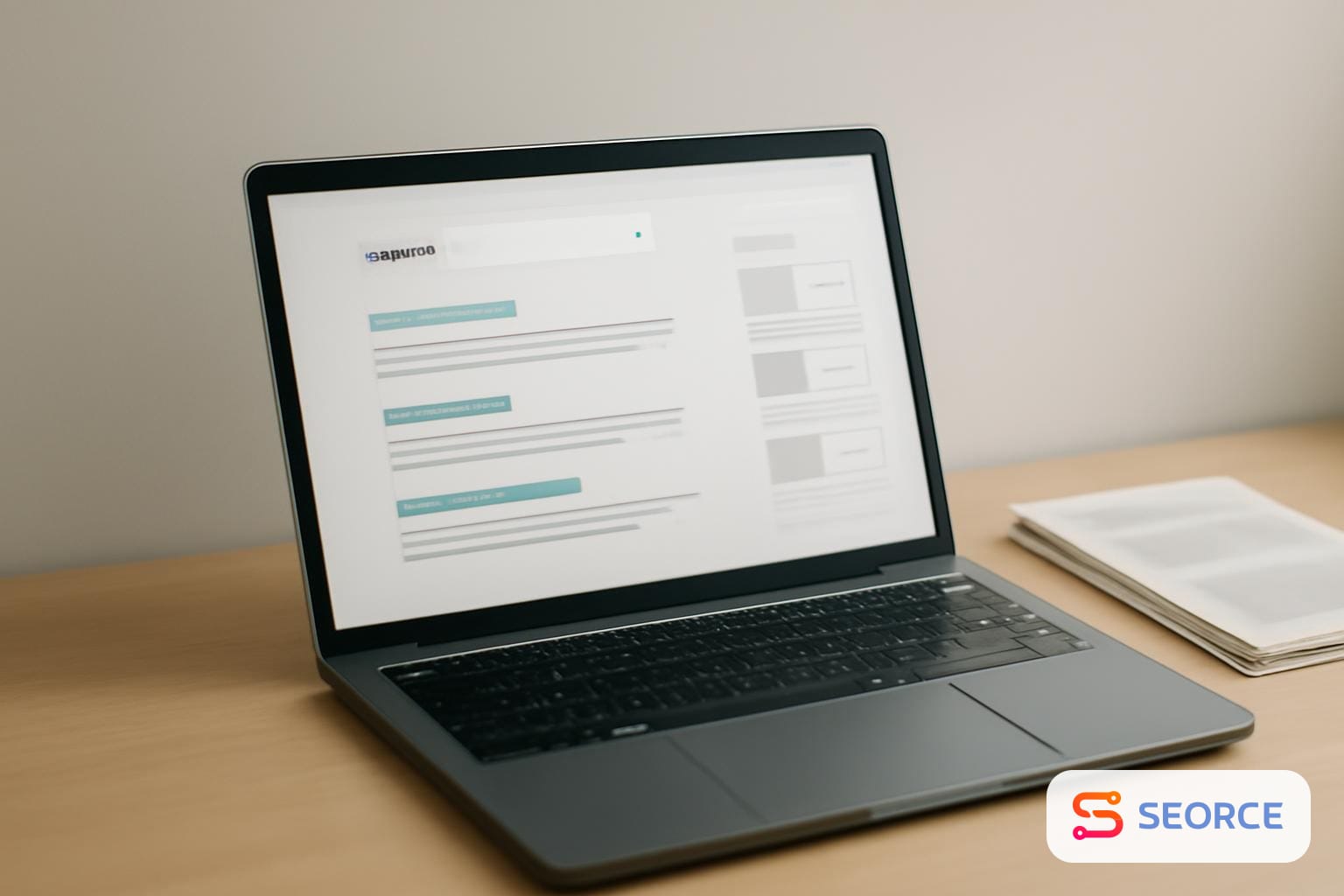
Laptop showing AI search results with highlighted source links and cards beside printed pages

Google AI Mode inline links are moving higher in more AI responses after Google announced October 15 updates to AI Mode and AI Overviews that also add official-site sections, article carousels, visual end links, and creator profile links. Google's own announcement on The Keyword says the changes apply across AI Search, specifically AI Mode and AI Overviews. The practical effect is a larger set of clickable source surfaces inside generated answers, though Google did not give a count of added links or expected referral impact.

Google made the change on October 15, 2026, and Search Engine Journal and The Verge both reported it the same day. Search Engine Journal attributed the announcement to Hema Budaraju, Google's VP of Product Management, and reported five link-related updates in the AI Search interface. The Verge described the same core change as Google making inline links appear "higher up in responses more frequently" in AI Mode and AI Overviews, while noting publisher concern that AI answer formats can reduce traffic to sites.

What Google changed on October 15

Google changed four visible source surfaces in AI Search and started testing a fifth surface tied to creator identity. The Keyword says Google will show inline links higher up more often, test a top section for one or two official web destinations, expand prominent carousels for timely articles to additional locations and languages globally, and make end-of-response links more visual with image thumbnails. Search Engine Journal also reported that Google began testing clickable creator and publisher names on AI Mode video results that lead to Search profiles.

SurfaceChangeEvidence
Inline linksLinks embedded in words or phrases appear higher more often.Google's October 15 announcement.
Official-site sectionGoogle tests top placement when one or two official destinations fit a task.Google's October 15 announcement.
Timely article carouselCarousels roll out to more locations and languages globally.Google's October 15 announcement.
Search profilesAI Mode video results test clickable creator and publisher names.Search Engine Journal on October 15.

Google also said Preferred Sources usage has grown more than 7x since the start of 2026, but it did not publish the base number, user count, or measurement method. Search Engine Journal made the same point and said the post does not disclose the size of the inline-link increase. That matters because a 7x increase from a small base and a 7x increase from a large base produce different publisher outcomes.

How Google AI Mode inline links work

Google AI Mode inline links work by attaching a source link to words or phrases inside an AI-generated response instead of only placing source links at the end. Google's announcement defines inline links as links embedded in text and says the update is intended to make key sources clickable at the point where the answer uses them. The mechanism changes where a user encounters a source, not the underlying fact that the answer is generated by Google's AI Search interface.

Google's October 15 change does not create a separate ranking report for publishers in the evidence available here. It changes presentation inside AI Mode and AI Overviews by moving embedded source links higher in more responses and adding special surfaces for official sites, timely articles, related links, and creator profiles.

The official-site section is narrower than ordinary citation placement. Google's announcement says it will appear in cases where only one or two official web destinations are needed, with context explaining why each link is useful. Search Engine Journal gave an example category of task-based searches with limited official resources, such as an airline refund query, which implies the format is most likely to affect support, account, government, product, travel, and other task pages where users need the correct destination rather than commentary.

What publishers can check now

Publishers can check eligibility and presentation in Search Console, Preferred Sources, and Search profiles before treating the change as a traffic recovery event. Search Engine Journal reported that Google's Preferred Sources documentation says a site must be included in Search generative AI features in Search Console to qualify as a Preferred Source in AI Mode and AI Overviews. For publishers with video results, the same report said Google's help page listed Search profiles as available in the United States, Canada, and India for creators or publishers with at least 10,000 followers on YouTube, Instagram, X, or TikTok, using a Google Account owned by someone 18 or older.

For publishers, the immediate check is whether eligible pages appear in Search generative AI features in Search Console and whether creator or publisher entities qualify for Search profiles. The content check is separate: pages that are the official destination for a task should make that task, owner, policy, and next step unambiguous.

The content action is to audit pages that could be the single official destination for a task. That means refund pages, appointment pages, application pages, product support pages, store policy pages, and publisher profile pages should state the entity name, task, requirements, and next step in indexable text. This is an inference from Google's stated official-site test, not a guarantee of inclusion, because Google has not published selection criteria for the new section.

What it means for search visibility

The search visibility change is that AI answers now have more internal competition among source placements. A publisher can appear as an inline citation near the answer text, as an official destination at the top for certain tasks, as a timely carousel item, as a related link with a thumbnail, or as a creator or publisher profile from an AI Mode video result. Those are different surfaces with different likely click intent, even though Google has not released separate reporting for them in the evidence supplied.

The inference for SEO teams is that entity clarity and task clarity become more valuable inside AI answer interfaces. Inline links reward pages that support specific claims in generated text, while official-site sections appear aimed at navigational or task intent where Google can identify one or two correct destinations. Preferred Sources may help publisher visibility in timely article carousels, but the evidence only says usage has grown more than 7x and that carousels are expanding globally to more locations and languages.

What remains unknown

The main unknown is whether higher inline links increase publisher traffic, reduce it less than previous AI layouts, or move clicks from ordinary blue links into AI Search surfaces. The Verge reported the concern that AI Overviews and AI Mode can reduce traffic to publishers, but the October 15 Google announcement did not publish referral data, click-through rates, or before-and-after publisher metrics. Search Engine Journal likewise noted that Google did not give the size of the inline-link increase.

The available practitioner signal is thin. One r/seogrowth thread on October 20 circulated the same package of updates, including more inline links, official-site sections, timely carousels, creator profile links, and Universal Cart, but the supplied Reddit evidence contains no measured traffic reports from site owners. There is no material conflict between the named news coverage and Google's primary announcement in the evidence here; the gap is measurement, not basic facts.

The next trigger to watch is the rollout of Google's official-site section test and the global expansion of timely article carousels in AI Search. Publishers should watch for those surfaces in AI Mode and AI Overviews, then compare affected pages in Search Console and analytics once Google starts showing the new layouts for their queries. Search profiles also need a documentation update, because Search Engine Journal reported on October 15 that Google's help page did not yet list AI Mode as a place where profiles may appear.

See more SEORCE in your Google results

Add us as a preferred source to see more of our stories in Google's Top Stories.

Add as a preferred source on Google

FAQ

What changed with Google AI Mode inline links?

Google is showing inline links higher up more often in AI Mode and AI Overviews. The October 15 announcement also adds or tests official-site sections, timely article carousels, thumbnail links at the end of answers, and clickable creator or publisher names from AI Mode video results.

Do Google AI Overviews now link to more sources?

Google says it has made continued increases to inline links in AI Search. The evidence does not show a total link count, a percentage increase, or a click-through rate, so publishers should treat the change as a presentation update until traffic data appears.

How do I qualify for Google Preferred Sources?

Search Engine Journal reported that Google's Preferred Sources documentation requires inclusion in Search generative AI features in Search Console. Preferred Sources affects how selected publishers may appear in certain AI Mode and AI Overview news or timely article surfaces, but Google did not disclose the user base size.

What is the Google official-site section?

The official-site section is a tested AI Search display for queries where one or two official destinations answer the user's task. Google says it will show those links at the top of the response with context about why each source is useful.

Can Google Search profiles appear in AI Mode?

Google is testing creator and publisher name links from AI Mode video results to Search profiles. Search Engine Journal reported that, on October 15, Google's help page listed knowledge panels and Discover as profile discovery surfaces but did not yet list AI Mode.

Entities

AI ModeAI OverviewsSearch ConsolePreferred SourcesSearch ProfilesSearch Generative AI FeaturesHema Budaraju

Tags

Google AI ModeInline LinksAI OverviewsSearch ConsolePreferred SourcesSearch ProfilesSEO VisibilityPublisher Traffic

Topics

SEOArtificial Intelligence

Sources

More ways to connect with the web from Search
Google / The Keyword
Google Puts Inline Links Higher In More AI Search Responses via @sejournal, @MattGSouthern
Search Engine Journal
Google is making inline links more prominent in AI responses
The Verge
Forbes looks to Google AI pilot for insights as publishers seek value beyond the click
Digiday
Google’s Universal Cart Is Live: How Carts Get To Your Store via @sejournal, @MattGSouthern
Search Engine Journal

More like this