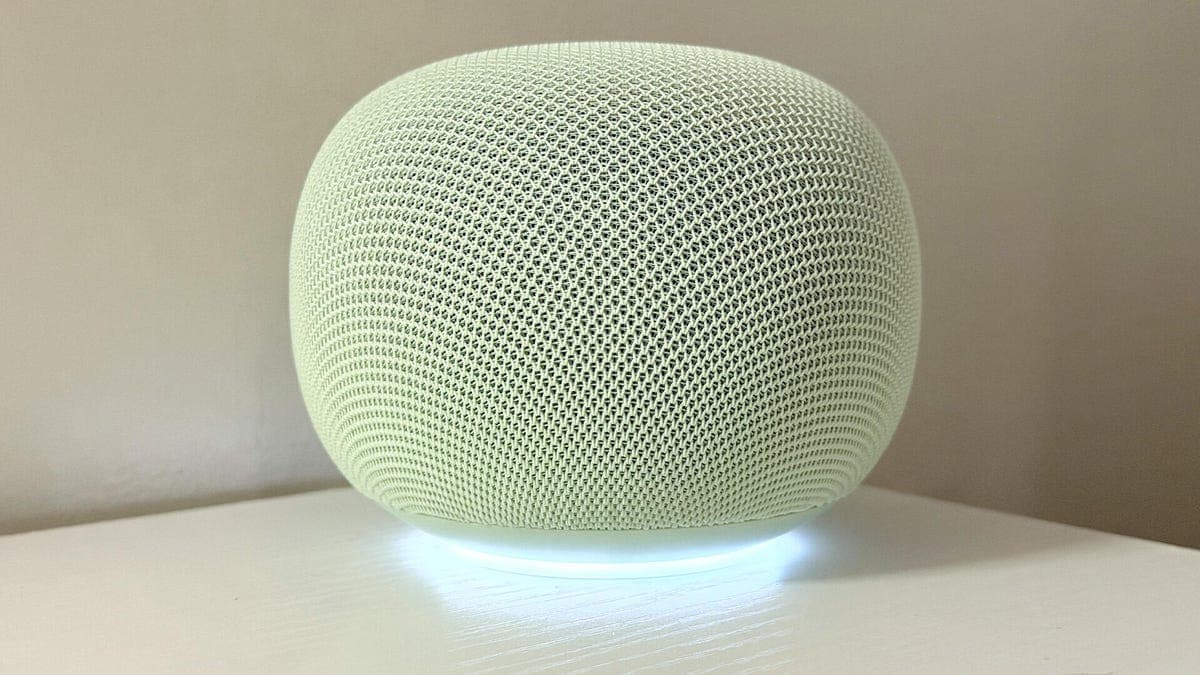
In the ever-evolving landscape of smart speakers, Google's latest entry, the Google Home Speaker, has made a significant impact. With its first new model in six years, Google is not just aiming to compete but to lead. However, the introduction of paywalled features has sparked a debate about accessibility versus innovation.
Google Home Speaker's Premium Strategy Divides Consumers
Google's decision to implement paywalled features in its new Home Speaker is a bold move that has captivated attention and stirred controversy. According to recent reviews from ZDNet and Wired, the speaker offers advanced capabilities that surpass its predecessors and competitors like the Apple HomePod Mini and Echo Dot Max. Yet, these features are accessible only to those willing to pay extra.
While some users appreciate the enhanced functionality, others express frustration over the added costs. The Reddit discussion surrounding this topic highlights a growing sentiment that tech companies are increasingly segmenting their offerings, which can alienate budget-conscious consumers. This trend raises questions about the balance between delivering cutting-edge technology and maintaining accessibility.
Paywalls: A Necessary Innovation or a Barrier?
The introduction of paywalled features in consumer electronics is not entirely new, but Google has taken it to a new level with its latest speaker. The promise of unique, advanced functions is attractive, yet it also poses the risk of creating a two-tiered user experience. Those who can afford the premium features enjoy a more robust product, while others may feel left behind.
Wired's review suggests that the speaker's performance is impressive, potentially justifying the cost for those who prioritize high-quality audio and smart home integration. However, the value proposition becomes murky when considering that these features are locked behind an additional paywall. The debate centers on whether these innovations truly enhance the user experience or simply serve as a revenue stream for the company.
What Consumers Can Expect Next
As Google and other tech giants continue to explore premium models, consumers must navigate an increasingly complex market. The trend towards paywalled features suggests a future where basic functionality is accessible, but full potential is reserved for those willing to pay extra. This could lead to more segmented markets, where consumers choose devices based on their willingness to invest in premium experiences.
This shift also challenges companies to clearly communicate the value of their premium features. Transparency about what consumers are paying for, and why it's worth it, will be crucial in maintaining trust and satisfaction. As the market adapts, the role of consumer advocacy and informed purchasing decisions becomes ever more important.
Conclusion: Balancing Innovation and Accessibility
The release of the Google Home Speaker has reignited the debate over paywalled features in consumer electronics. While the speaker itself is a testament to Google's innovation, the paywall strategy highlights a tension between cutting-edge technology and consumer accessibility. As the industry evolves, finding a balance that satisfies both tech enthusiasts and everyday users will be key to long-term success.