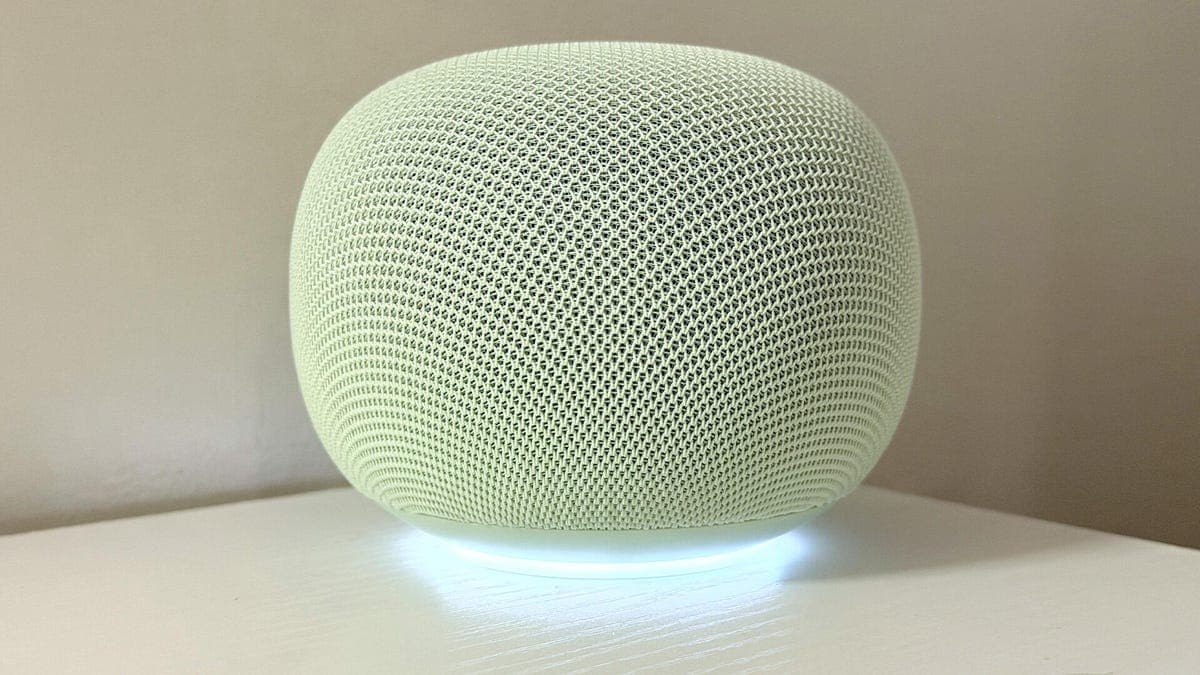
In the ever-evolving world of smart speakers, Google's latest release, the Google Home Speaker with Gemini, has become a lightning rod for discussion. Both praised and criticized, it represents a significant leap forward in technology while simultaneously sparking concerns about accessibility and inclusivity.
Why Paywalls on Smart Features Divide Users
The introduction of paywalled features in the new Google Home Speaker is at the heart of the current debate. According to a review by Wired, this is Google's first new smart speaker in six years, and while it leads its competitors in innovation, it also introduces features that require additional payment to access. This business model, common in software, is relatively new to the hardware space and has not been universally welcomed.
For some users, the idea of paying extra for features on a device they already own feels like an unnecessary barrier. The ZDNet review highlights that while the speaker itself is a technological marvel, its full potential is only unlocked with these premium features. This raises an important question: Are these innovations truly for everyone, or just for those who can afford them?
Gemini's Features: A Mixed Bag of Benefits
Despite the controversy, Gemini's capabilities are undeniably impressive. The Google Blog details how the voice assistant can simplify daily routines, offering 100 new voice commands designed to make life easier. Users can manage their households with greater efficiency than ever before. However, the necessity of a subscription to access some of these features leaves a segment of users feeling left out.
On Reddit, users express mixed feelings. Some appreciate the advanced capabilities and are willing to pay for them, while others feel that essential smart speaker functions should not be restricted by paywalls. This division highlights a broader industry trend where advanced technology comes at a premium, potentially widening the gap between different user demographics.
What Changes Next for the Smart Speaker Industry?
The introduction of paywalled features in the Google Home Speaker could set a precedent for future smart devices. If successful, other companies might adopt similar models, further segmenting the market. This could lead to a landscape where basic functionality is available to all, but premium features are reserved for those willing to pay.
The implications are significant. Companies will need to balance innovation with accessibility, ensuring they do not alienate a portion of their consumer base. As technology continues to advance, the industry must consider how to make these advancements inclusive rather than exclusive.
Conclusion: A Call for Inclusive Innovation
The Google Home Speaker with Gemini is a testament to how far smart technology has come. Still, the introduction of paywalled features raises important questions about the direction of the industry. As companies push the boundaries of innovation, they must also ensure that these advancements are accessible to all, not just a privileged few. The future of smart speakers hinges on this balance between cutting-edge technology and inclusivity.