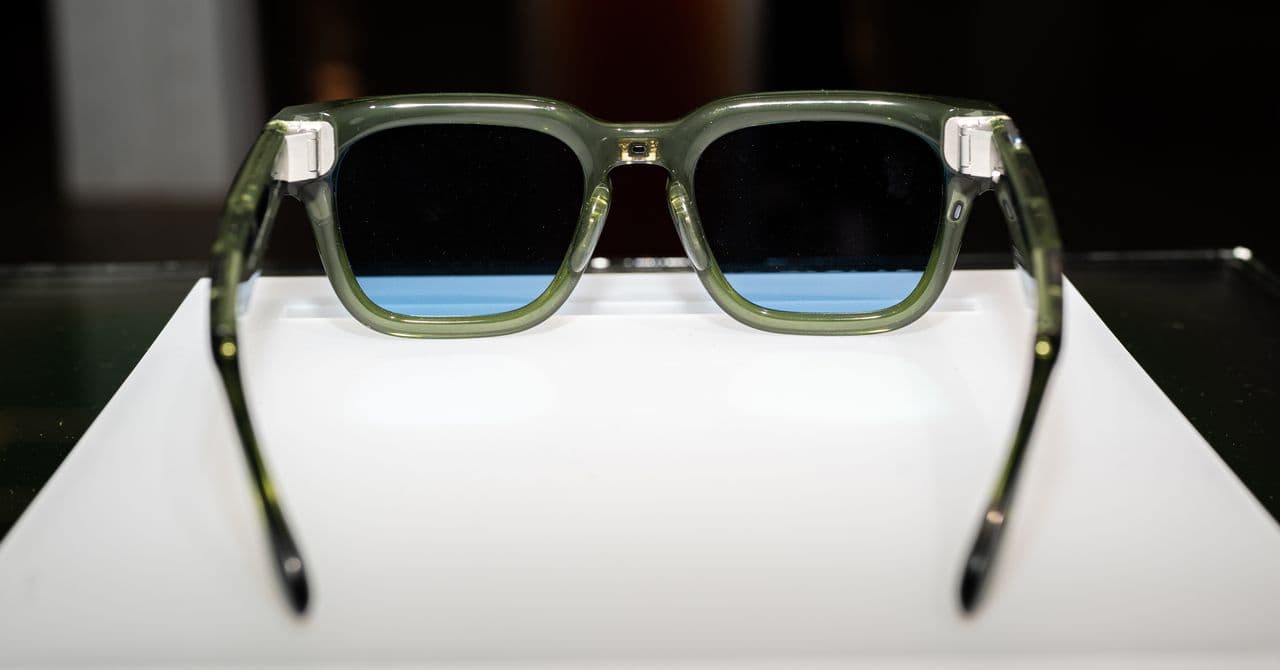
The release of Meta's new smart glasses has created a stir in both tech circles and the broader market, offering what seems like an attractive alternative to more expensive models. Priced at $299, these glasses are cheaper and come with stylings co-designed by Kylie Jenner. Yet beneath the surface, there's a deeper conversation to be had about the implications of such technology.
Why Cheaper Isn't Always Better in Tech
Meta's decision to release a more affordable version of smart glasses is a strategic move to capture a larger share of the market. By offering a lower price point, Meta opens up the possibility for a broader audience to access augmented reality features. According to a ZDNet comparison, the new glasses maintain the essential functions of their pricier counterparts, such as cameras and microphones, but at a reduced cost.
However, the reduced price brings up an essential debate: are consumers trading privacy for affordability? The integration of cameras and microphones into everyday eyewear raises concerns about constant surveillance, a subject that has been hotly debated in a Wired article on the topic. The potential for misuse is significant, with critics worrying about the implications of ubiquitous recording devices.
The Privacy Trade-Off: What Are We Sacrificing?
While the technology offers new convenience, it also poses risks that cannot be ignored. The ability of these glasses to record video and audio discreetly has raised alarms about privacy. An ongoing discussion on Reddit highlights the tension between technological advancement and ethical considerations. Users express concern that these devices could become tools of surveillance, infringing on personal privacy in public spaces.
Meta argues that they have implemented safeguards to protect user data, but the effectiveness of these measures remains uncertain. The very nature of wearable technology means that users are constantly generating data, some of which could be sensitive. As such, the debate isn't just about the price or features, but about the ethical use of technology.
Where Do We Go From Here?
As these smart glasses hit the market, the conversation around them will likely shift from their tech specs to their societal impact. Companies like Meta have a responsibility to address privacy concerns head-on and ensure that their products do not contribute to a surveillance culture. Regulatory bodies may need to step in to establish guidelines on how data collected by such devices can be used or shared.
For consumers, the decision to purchase smart glasses should involve a consideration of privacy implications, not just price or style. As technology continues to integrate into our daily lives, the choices we make today will shape the future landscape of personal privacy and surveillance.