
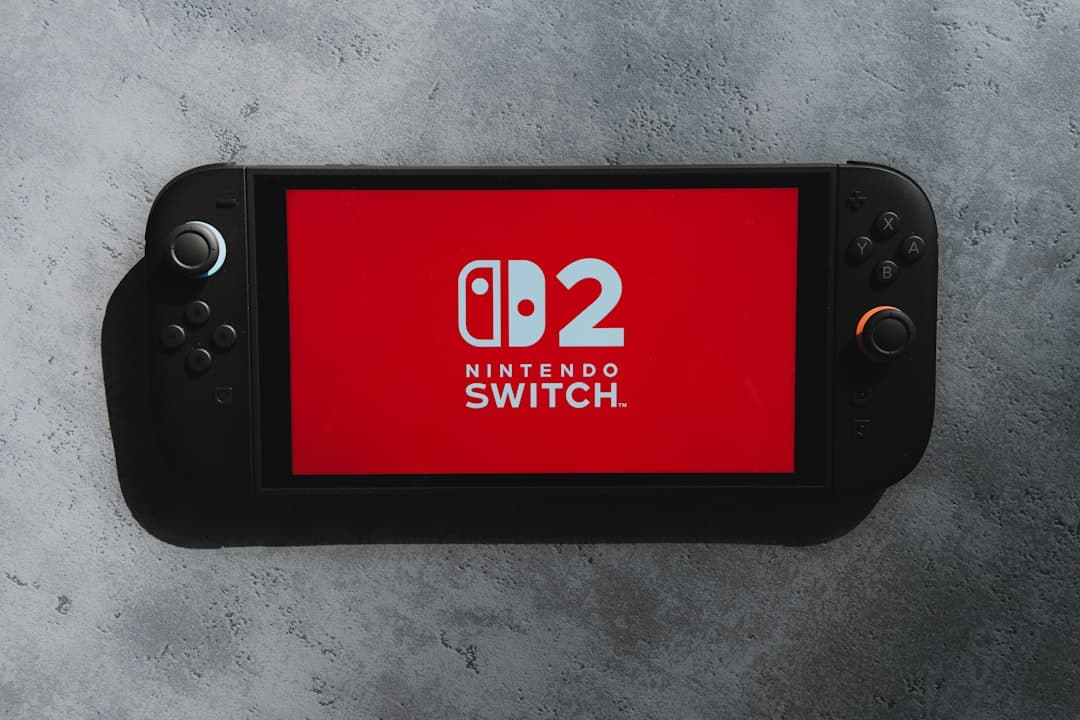
Nintendo's announcement of the Ocarina of Time remake for the Switch 2, scheduled for release on November 5th, marks a significant moment in gaming nostalgia. As fans anticipate reliving the adventures of Link in a modernized format, the timing of this release is noteworthy. It coincides with the launch of another blockbuster title, Grand Theft Auto VI, in the same month. This strategic overlap raises questions about Nintendo's motivations and the potential impact on their market share.
Nostalgia Meets Modern Competition
The decision to release Ocarina of Time alongside Grand Theft Auto VI is bold. Typically, gaming companies avoid launching major titles simultaneously to minimize competition. However, Nintendo seems to be banking on the nostalgia factor that Ocarina of Time brings. The original title is a beloved classic, often cited as one of the greatest games of all time. This remake leverages that legacy, aiming to attract long-time fans and new players alike.
While nostalgia is a powerful draw, the gaming landscape has evolved significantly since the original release of Ocarina of Time. Modern gamers have varied preferences and high expectations for graphics and gameplay. Thus, the remake's success will hinge on how well Nintendo balances the original's charm with contemporary gaming advancements. The announcement of Link's new ability to jump hints at such updates, aiming to strike the right chord between old and new.
The Risks of Going Head-to-Head with GTA VI
Launching in the same month as Grand Theft Auto VI presents significant risks for Nintendo. GTA VI is expected to dominate the market due to its expansive open-world gameplay and massive fanbase. Nintendo's strategy appears counterintuitive unless they believe the Zelda brand is strong enough to hold its own against such a titan.
This move could be seen as a test of loyalty from Nintendo's fanbase. The dedicated followers of the Zelda series may prioritize Ocarina of Time over GTA VI, especially if the remake delivers on its promise of enhanced graphics and gameplay. However, this is a gamble. If the remake fails to impress, Nintendo risks losing relevance in a fiercely competitive market.
Potential Shifts in Nintendo's Strategy
The decision to remake Ocarina of Time now, during the franchise's 40th anniversary, reflects a broader strategy by Nintendo to capitalize on its iconic titles. By revisiting classic games, Nintendo taps into a lucrative market of nostalgia while simultaneously introducing these legendary adventures to a new generation. This approach, however, must be executed with precision to avoid alienating fans who cherish the original experiences.
As the gaming industry continues to evolve, Nintendo's reliance on past successes could signal a shift in strategy. Instead of solely focusing on new titles, the company seems to be embracing a dual approach: innovating with new content while revitalizing beloved classics. This could mean more remakes in the future, each potentially juxtaposed against major competitors, as seen with Ocarina of Time and GTA VI.
Conclusion: A Calculated Gamble
In summary, the upcoming release of Ocarina of Time is a calculated gamble by Nintendo. By aligning its launch with GTA VI, Nintendo is betting on the enduring appeal of its classic titles to capture market attention. As the remake approaches, the gaming community will be watching closely to see if nostalgia can indeed compete with modern blockbusters. The outcome of this bold strategy will likely influence Nintendo's future decisions on how to balance its rich legacy with the demands of current gaming trends.