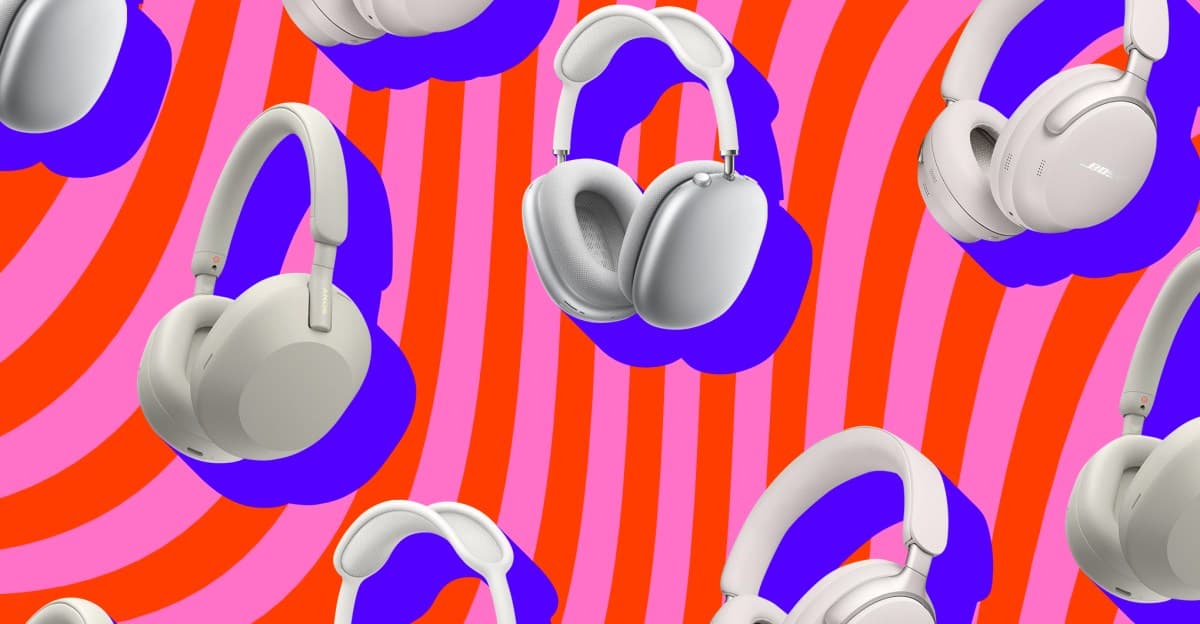
In recent years, noise-canceling headphones have become an essential accessory for many. They promise a sanctuary of silence in an increasingly chaotic world. However, this rise in popularity also brings to light a conflict between technological advancement and social interaction. While these devices are celebrated for their ability to create personal space, they also raise questions about their effect on our social environments.
Noise-canceling headphones have been lauded for their superior ability to block out unwanted sounds, creating a personal bubble of silence. The Verge highlights these headphones as a must-have for anyone seeking tranquility in today's noisy world. This perspective is mirrored by many users on platforms like Reddit, who praise the headphones not just for their sound quality but for their ability to help them concentrate and relax.
However, the current belief that noise-canceling headphones are purely beneficial is incomplete. While they do provide a much-needed escape from noise pollution, this view overlooks the subtle social consequences of their widespread use. As these devices become more entrenched in daily life, they are also changing the way we interact with each other, often creating a barrier between individuals in shared spaces.
In real-world settings, the use of noise-canceling headphones can lead to significant social tension. On one hand, they are a tool for enhancing productivity and focus, especially in open office environments where noise can be distracting. On the other hand, they can contribute to a sense of isolation, as individuals become more focused on their personal audio environment rather than engaging with those around them. The Verge article notes that while these headphones excel in providing quiet, they can inadvertently signal a desire to avoid interaction, which can be perceived as antisocial behavior by others.
Given this tension, our stance is clear: while noise-canceling headphones offer undeniable benefits, it is crucial to be mindful of their social implications. Users should be aware of how these devices can affect their interactions and relationships. Employers, too, should consider how encouraging or mandating their use might impact workplace culture and communication.
Ultimately, the challenge lies in finding a balance between enjoying the technological benefits of noise-canceling headphones and maintaining healthy social interactions. As we continue to embrace these devices, it is important to foster environments where technology enhances rather than hinders our social connections.
In conclusion, noise-canceling headphones are more than just a technological marvel—they are a cultural phenomenon that reflects our changing relationship with sound and each other. Embracing their benefits while acknowledging their potential drawbacks will allow us to harness their power responsibly.