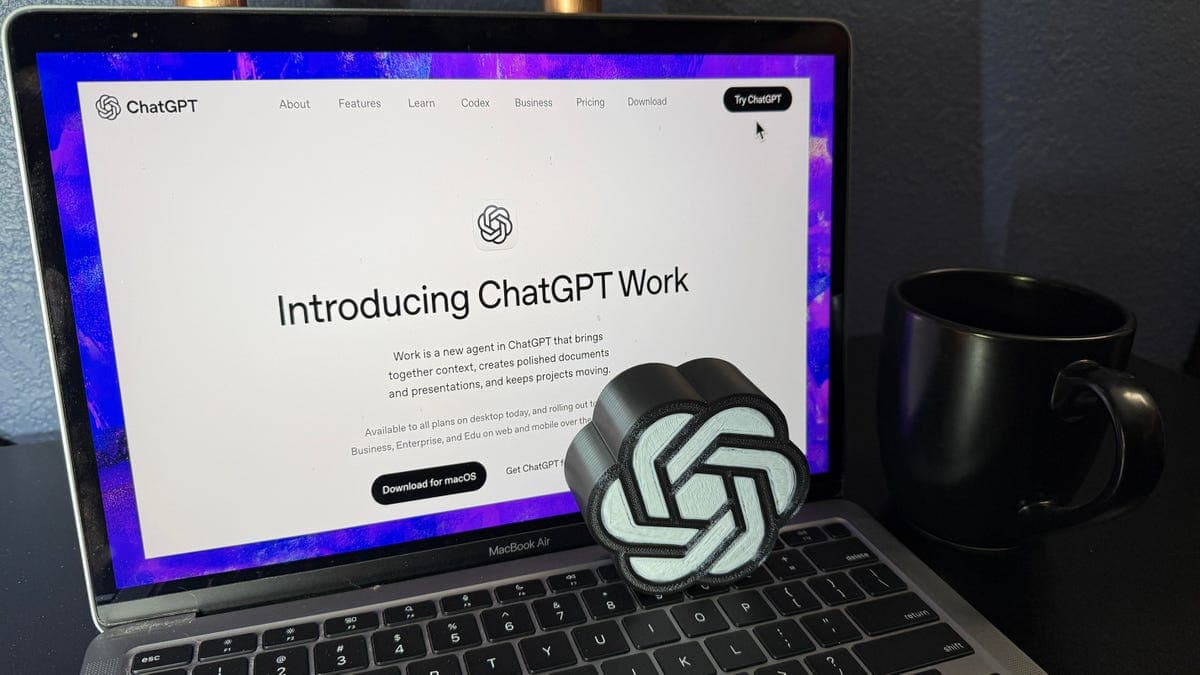
OpenAI's recent decision to merge its ChatGPT Desktop application with Codex has stirred significant discontent among users. The integration, meant to pave the way for the new ChatGPT Work platform, has resulted in the removal of several well-loved productivity features. This move raises questions about OpenAI's strategic priorities and whether they align with user expectations.
Why OpenAI Chose Codex Over Customer Favorites
At the heart of this controversy is OpenAI's strategic pivot towards integrating Codex, their code-based AI, with ChatGPT. According to ZDNet, this decision aims to enhance productivity by leveraging Codex's capabilities in non-coding tasks. The shift suggests that OpenAI is betting on a future where AI tools are not just conversational but also capable of executing complex tasks traditionally reserved for specialized software.
This integration also coincides with the rollout of GPT-5.6, touted as OpenAI's most advanced model to date. As reported by The Verge, the company received the green light from the Trump administration for a public rollout after a regulatory delay. The combined power of GPT-5.6 and Codex is expected to offer users unprecedented speed and efficiency, potentially outpacing competitors like Anthropic.
The Backlash: Users Mourn Lost Features
Despite these advancements, many users feel betrayed by the loss of features they had come to rely on. The Reddit community is buzzing with frustration, as users lament the disappearance of functionalities that made ChatGPT Desktop a vital part of their workflow. The sentiment is echoed in ZDNet's coverage, where users express disbelief over OpenAI's willingness to gut a popular tool in favor of Codex integration.
The backlash highlights a critical tension between innovation and user satisfaction. While OpenAI's focus on integrating cutting-edge technology like Codex may appeal to a broader, more technical audience, it risks alienating the loyal user base that appreciated the simplicity and utility of the previous ChatGPT Desktop features.
What Changes Next for OpenAI and Its Users
In the wake of this controversy, OpenAI faces the challenge of reconciling its strategic goals with user expectations. The rollout of GPT-5.6 and ChatGPT Work is a step towards a more integrated AI experience, but the company must address the discontent among its users to maintain loyalty and trust.
OpenAI may need to consider introducing customizable options that allow users to retain beloved features while benefiting from new capabilities. This approach could mitigate dissatisfaction and demonstrate OpenAI's commitment to meeting diverse user needs. Additionally, clearer communication about the benefits and trade-offs of such integrations could help users better understand and accept the changes.
Ultimately, OpenAI's ability to balance innovation with user satisfaction will determine its success in this competitive landscape. As the AI field continues to evolve, the company must navigate these challenges carefully to maintain its position as a leader in AI technology.