
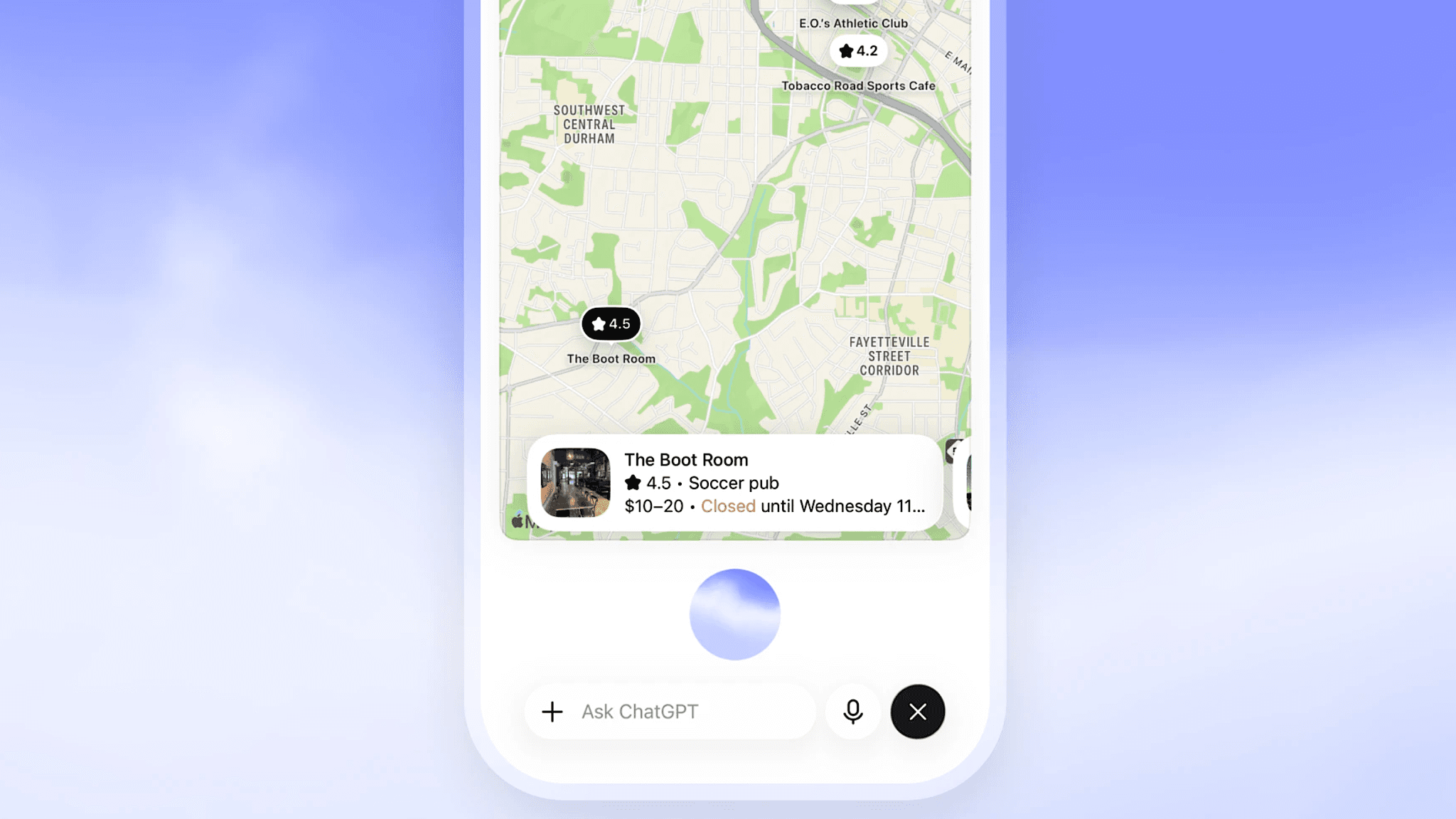
In a significant leap forward for AI technology, OpenAI's newest model, GPT-Live, promises to redefine how humans interact with machines through voice. By integrating real-time search capabilities with a more conversational interface, this innovation aims to bridge the gap between human and machine communication.
Why Real-Time Search in AI Feels Revolutionary
The introduction of GPT-Live's search feature is not just an incremental update. It's a foundational shift that allows the AI to pull information from the web instantaneously, providing answers that are both timely and contextually relevant. According to Search Engine Journal, this capability means that users can now receive visual answers while engaging in a voice conversation, greatly enhancing the utility and appeal of voice-based AI systems.
The Subtle Art of Not Interrupting
One of the most notable aspects of the GPT-Live model is its ability to listen more attentively. As reported by The Verge, this model is designed to interrupt less, waiting patiently for users to finish speaking before responding. This seemingly small change has profound implications for user experience. It mimics human conversational norms more closely, reducing the frustration often associated with voice assistants that cut users off mid-sentence.
What This Means for the Future of Communication
As AI models become more adept at mimicking human interaction, the potential applications are vast. From customer service to personal digital assistants, a more natural and fluid conversation could transform industries. The ability to engage in a dynamic, two-way dialogue without the staccato interruptions typical of earlier models could make these AI systems much more effective in professional settings.
Moreover, this evolution in AI capability might influence how we perceive and interact with technology on a daily basis. If machines can converse with us in a more human-like manner, it could lead to broader acceptance and reliance on AI for complex tasks, thereby reshaping the digital landscape.
The Road Ahead: Challenges and Implications
However, integrating such sophisticated AI models into everyday use is not without challenges. There are concerns about privacy and the ethical implications of machines that can understand and process human emotions and intentions more accurately. Companies deploying these technologies will need to navigate these issues carefully to foster trust and ensure responsible use.
In conclusion, OpenAI’s GPT-Live represents a pivotal advancement in AI technology. By enhancing search capabilities and refining conversational flow, it sets a new standard for voice interaction. As these technologies continue to evolve, they hold the promise of making digital communication more intuitive and seamless, heralding a new era in human-machine interaction.