
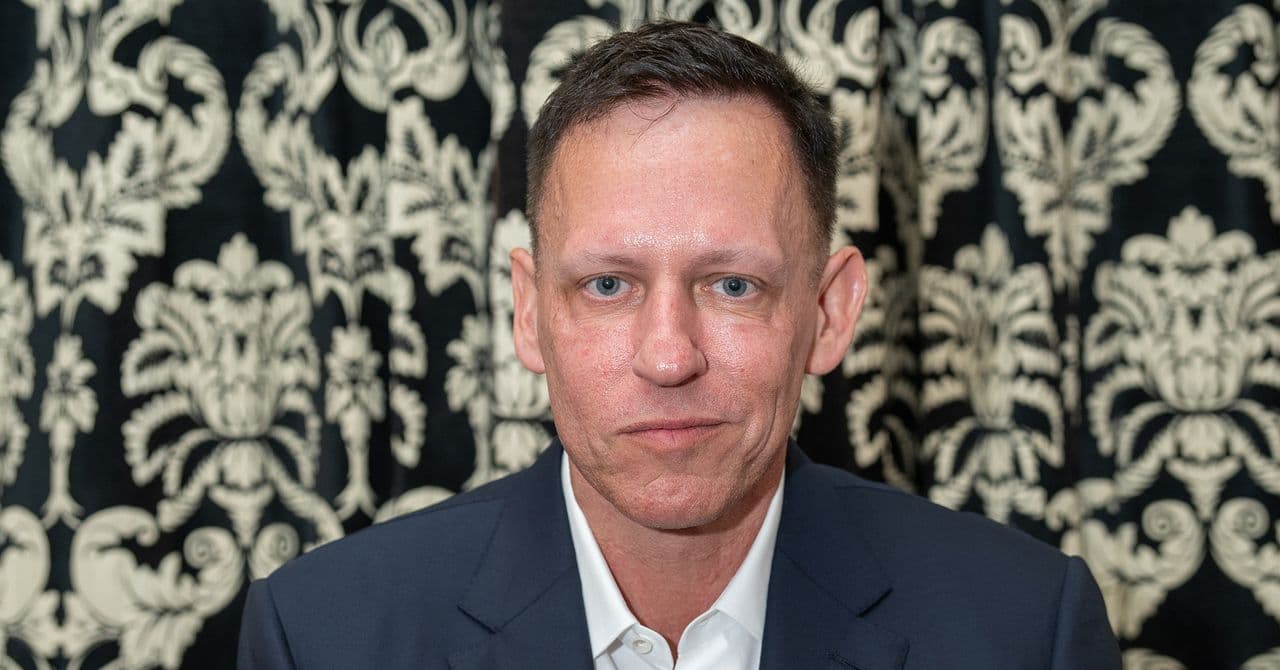
In a world where power often operates behind closed doors, the leak of Peter Thiel's Dialog Society has shed light on the secretive mechanisms that govern elite networks. According to reports from Wired, this exclusive club not only gathers over 200 of the world's most influential figures but also ranks them by their wealth and fame, determining their standing within the group. Such revelations prompt a critical examination of how these hidden hierarchies shape global dynamics, particularly when the conversations revolve around controversial subjects like cult-building and preparing for global conflicts.
Why Wealth and Fame Are the Currency of Influence
Membership in the Dialog Society is not simply a matter of interest or alignment with the group's intellectual pursuits. Leaked files reveal that participants are graded based on their financial and social capital, effectively creating a pecking order that influences who holds sway in these elite circles. This ranking system underscores a broader societal trend where influence is increasingly tied to economic power and public recognition, sidelining those who may offer valuable perspectives but lack the monetary clout or celebrity status to gain entry.
This practice of ranking members by wealth and fame raises questions about the integrity and objectivity of the Dialog Society's discourse. When discussions on pivotal issues like global crises are influenced by such metrics, it risks skewing decision-making processes and prioritizing the interests of the wealthy few over the common good.
The Controversial Topics Shaping Elite Agendas
The agenda of the Dialog Society, as reported by Wired, includes topics such as cult-building and preparing for World War III. These subjects, while provocative, reflect a mindset focused on control and survival rather than collaboration and transparency. The inclusion of such themes suggests an insular approach to problem-solving, where the elite prepare for worst-case scenarios in isolation rather than engaging with broader societal efforts to prevent them.
Furthermore, the presence of an associated app offering matchmaking services hints at attempts to foster deeper alliances and perhaps even strategic partnerships among members. Such tools may enhance the group's cohesiveness but also consolidate power further among a select few, potentially at the expense of broader societal interests.
What Changes Next: The Call for Transparency
The secrecy surrounding the Dialog Society has sparked ethical concerns about the transparency and accountability of elite gatherings. As more details come to light, there is a growing call for such groups to adopt more inclusive and open practices. By broadening their membership criteria and making their proceedings more transparent, these societies could better align with democratic values and contribute to more equitable global governance.
Moreover, increased scrutiny and public discourse around these issues could pressure other elite networks to reevaluate their own practices. This could lead to a shift towards more collaborative and less hierarchical approaches to tackling global challenges, fostering solutions that reflect a wider range of perspectives and interests.