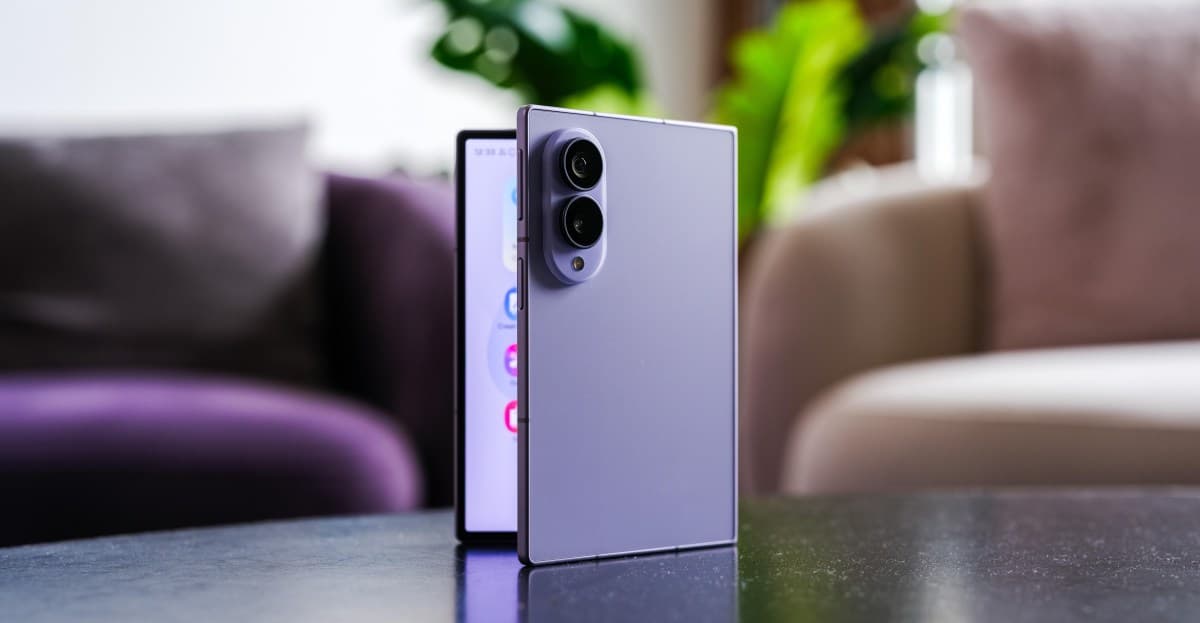
Samsung's latest innovation, the Galaxy Z Fold 8, has stirred up discussions with its bold departure from previous designs. By adopting a wider and shorter form factor, Samsung challenges the traditional expectations of what a foldable phone should look like. While the change may seem minor at first glance, it reflects a deeper shift in how smartphones are tailored to user habits, particularly for media consumption.
The Bold Move to a Wider Design
Samsung's decision to reshape the Z Fold 8 into a wider and squatter form has caught many by surprise. According to The Verge, the phone's new shape is reminiscent of holding a passport, offering a unique feel that distinguishes it from its predecessors. This change is not just cosmetic. It aims to enhance the user experience by aligning with the way people naturally hold and use their devices, particularly for watching videos and other media-rich activities.
The rationale behind this design pivot is clear: users are increasingly engaging with their phones for long periods, particularly for streaming content. A wider screen offers a more immersive viewing experience, addressing a growing demand among consumers. As Wired notes, the Z Fold 8's dimensions cater specifically to these media consumption habits.
Why This Shift Matters More Than You Think
However, the broader implications of Samsung's design choices go beyond aesthetics or ergonomics. They speak to a broader trend in the smartphone industry where functionality increasingly trumps traditional form factors. This evolution challenges established norms and potentially reshapes consumer expectations. The new design may also influence other manufacturers to rethink their approaches, especially as foldables continue to carve out a niche in the smartphone market.
Yet, not everyone is convinced. Some argue that while the Z Fold 8's form factor is innovative, it might not be the game-changer Samsung hopes for. The practical benefits of a wider design could be overshadowed by user concerns over durability and price, issues that have long plagued foldable devices. As ZDNet highlights, the durability of foldables remains a top priority for users who have witnessed the rapid wear and tear of earlier models.
What Changes Next: Implications for Consumers
Looking ahead, Samsung's design innovation could set a new standard for foldables, but it also raises important questions for consumers. Will the industry embrace these changes, or will traditional designs remain dominant? For consumers, particularly those invested in media consumption, the Z Fold 8 offers a compelling proposition. However, potential buyers should weigh the benefits of the wider design against the practical challenges of adopting a new form factor.
Ultimately, Samsung's Z Fold 8 represents both a bold experiment and a potential turning point in smartphone design. Whether it succeeds will depend on how well it addresses longstanding concerns about durability and usability—challenges that have defined the foldable phone market since its inception.