
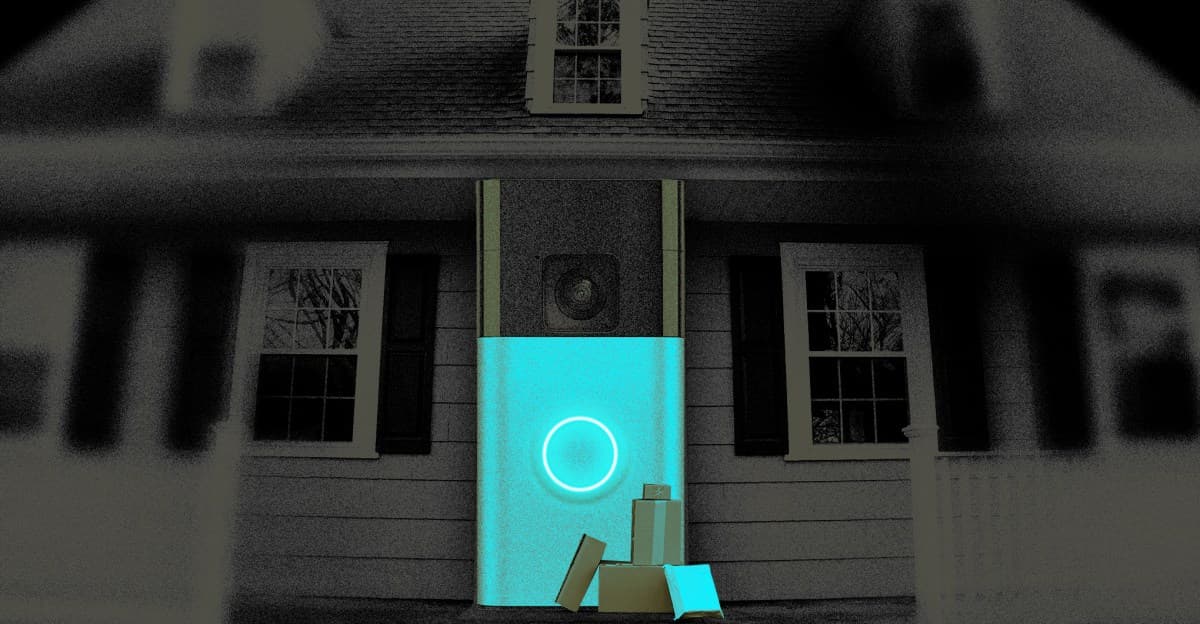
In an increasingly digital world, the use of surveillance technology like Ring cameras has sparked heated debates about the balance between security and privacy. While these devices promise to enhance safety, they also raise significant concerns about personal freedoms and the potential for a surveillance state.
Why Communities Embrace Surveillance Gadgets
Many communities have welcomed devices like Ring cameras, drawn by the promise of increased security. These gadgets offer homeowners the ability to monitor their properties remotely, providing a sense of control and peace of mind. In areas where crime rates are high, such technologies are seen as essential tools for protection.
Proponents argue that these devices not only help in deterring crime but also aid in faster resolution of incidents. A video clip from a Ring camera can provide crucial evidence in investigations, making it an attractive option for law enforcement agencies and residents alike.
The Unseen Consequences of Constant Surveillance
Despite the security benefits, there is growing concern over the implications of widespread surveillance. Critics warn that the normalization of such technologies could pave the way for a surveillance state, where personal freedoms are compromised for the sake of security.
"Let's talk about Ring, lost dogs, and the surveillance state," notes an analysis in The Verge. This highlights the subtle ways in which these gadgets can encroach on privacy.
The issue becomes more complex when considering who has access to the data collected by these devices. Questions about data security, potential misuse, and the rights of individuals who are recorded without consent remain largely unanswered.
Real-World Tensions Over Privacy and Security
The debate over surveillance technology reflects broader societal tensions. On one hand, there is a genuine desire for safety and security. On the other, there is a fear of losing privacy and autonomy. This conflict is evident in discussions across various platforms, where opinions are sharply divided.
As The Verge article explores, the situation is further complicated by the involvement of law enforcement, who may seek access to camera footage without warrants. Such practices raise ethical and legal questions about the limits of surveillance.
Striking the Right Balance Between Safety and Privacy
Ultimately, the challenge lies in finding a balance that respects both safety and privacy. This requires clear regulations and transparent policies regarding the use of surveillance technologies. It also demands a public discourse that considers the long-term implications of these devices on society.
As we navigate this complex landscape, it is crucial to ensure that technological advancements do not come at the cost of individual rights. The debate surrounding surveillance technology is a reminder of the importance of vigilance in protecting our freedoms even as we embrace new tools for security.