
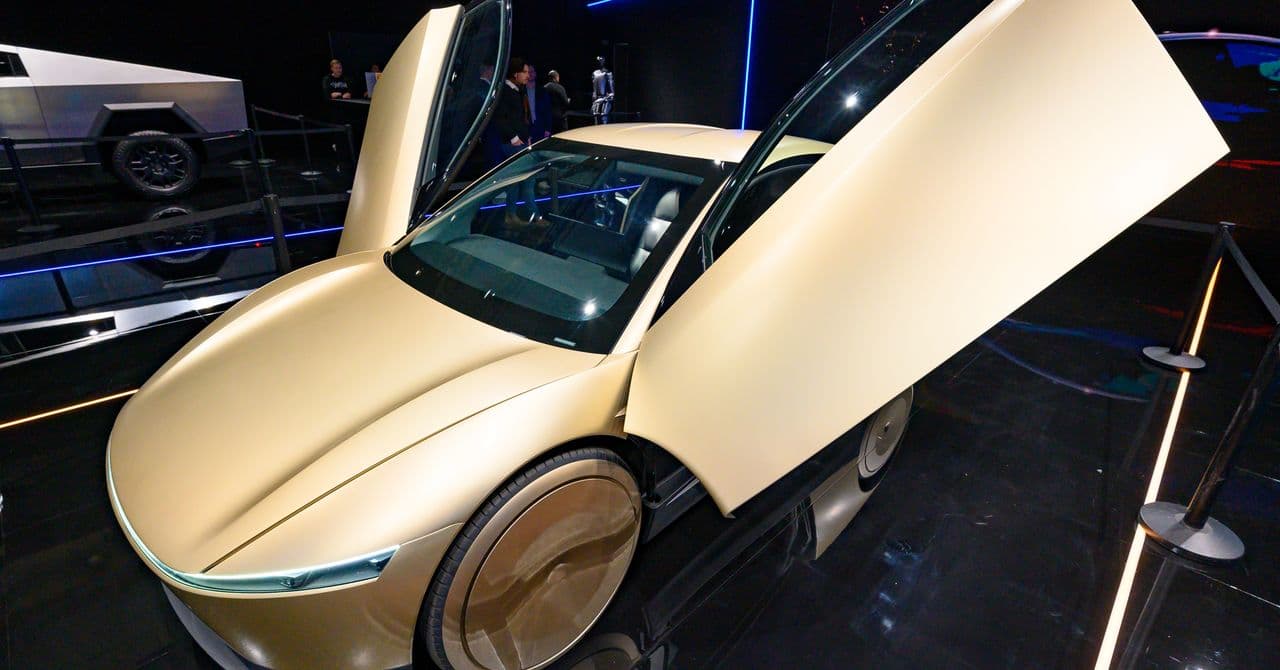
In a world captivated by technological advancement, Tesla’s recent launch of its Cybercab has done more than just turn heads—it has raised eyebrows. The vehicle, touted as a revolutionary step toward a driverless future, is immediately under investigation by federal regulators. The absence of traditional safety features like a steering wheel and pedals is not just an engineering quirk; it’s a potential legal and safety minefield. The National Highway Traffic Safety Administration (NHTSA) has opened an audit query to scrutinize Tesla's certification process for the Cybercab, a move that places the company in a precarious position.
Why Tesla's Risky Bet on the Cybercab Matters
The Cybercab’s launch was anything but typical. Held at a private event in Austin, Texas, the debut was shrouded in secrecy, with no livestream and an audience handpicked to minimize criticism. This muted unveiling might seem like an attempt to maintain control, but it also signals Tesla’s awareness of the forthcoming challenges. According to The Verge, the event was attended mostly by pro-Tesla influencers, a strategic choice to ensure public perception remains favorable despite the looming regulatory hurdles.
Why Traditional Safety Standards Still Hold Power
The Cybercab’s design eschews traditional vehicle features, a decision that has drawn the ire of regulatory bodies. The Federal Motor Vehicle Safety Standards (FMVSS) mandate certain design elements, including sideview mirrors, pedals, and a steering wheel. The lack of these features in the Cybercab raises questions about its compliance with safety regulations. As reported by Wired, the investigation focuses on how Tesla certified this vehicle despite these glaring omissions, a process that could have significant ramifications for the company if found lacking.
Tension Between Innovation and Regulation
Tesla’s ambitious leap into a driverless future embodies the tension between innovation and regulation. While the allure of a robotic car without steering mechanisms is undeniable, it also exposes the gaps in current legal frameworks that were not designed with such technology in mind. The NHTSA's investigation is a stark reminder that while technology can race ahead, the law often lags. This discrepancy can create friction, as companies like Tesla try to navigate uncharted waters while adhering to outdated regulations.
What Changes Next for Tesla and the Auto Industry?
As Tesla faces these regulatory challenges, the broader auto industry watches closely. The outcome of the NHTSA's investigation could set a precedent for future autonomous vehicles. If Tesla is forced to retrofit the Cybercab with traditional controls, it could delay the deployment of other autonomous technologies and reshape industry standards. Alternatively, should Tesla manage to validate its approach, it might pave the way for more radical designs. This scenario underscores the importance of evolving regulatory frameworks to keep pace with technological advancements, ensuring safety without stifling innovation.