
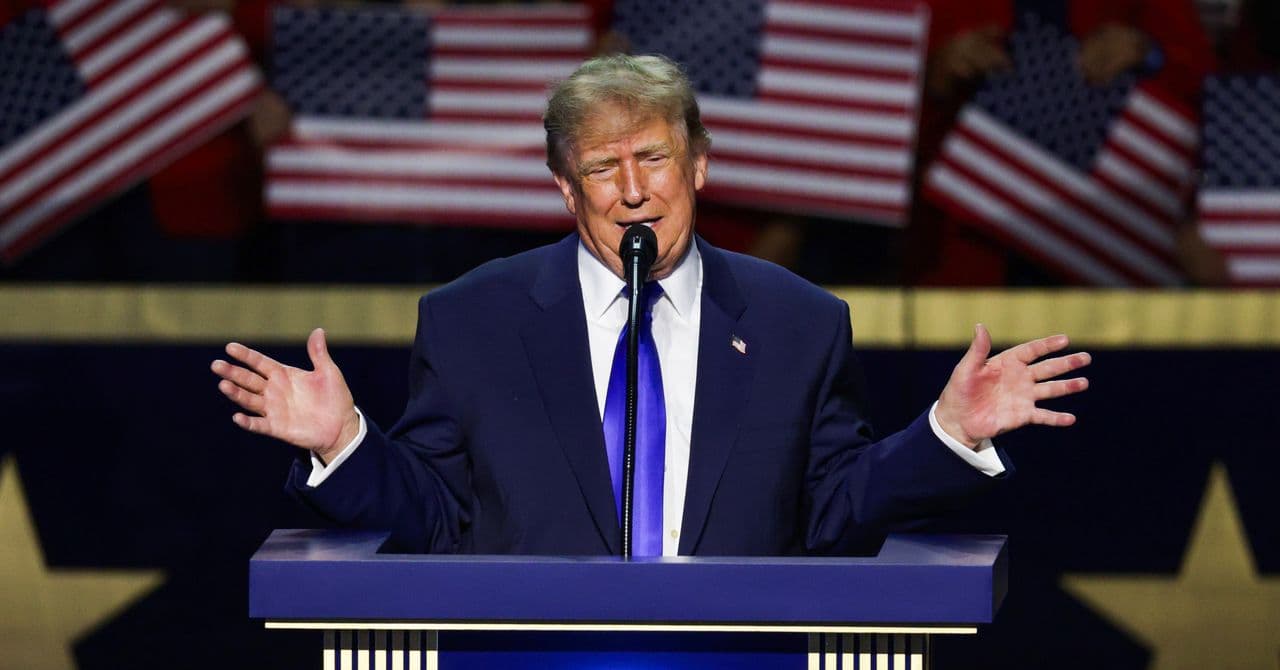
The recent announcement by Donald Trump offering $5,000 to every American if the Republicans win the midterms has sparked a firestorm of debate. On the surface, it may seem like a clever political maneuver to sway voters, but it also raises significant ethical and economic questions. The proposal, estimated to cost around $1.2 trillion, would require Congressional approval and has left many wondering about its feasibility.
Is Trump's Proposal Just Political Showmanship?
The $5,000 offer has certainly caught public attention, but critics argue it's more a piece of political theater than a serious policy proposal. To many, it appears as an attempt to buy votes rather than a genuine effort to address economic issues. The proposal's timing, just before the midterms, suggests it could be a strategic move to energize the Republican base. Yet, the ethical concerns it raises are hard to ignore. Critics are concerned about the precedent it sets, where financial incentives could become a norm in political campaigns, overshadowing substantive policy discussions.
The Economic Reality: Can the U.S. Afford It?
Economists have been quick to point out the financial impracticality of such a massive payout. The $1.2 trillion price tag is staggering and would likely necessitate drastic fiscal policies, such as increased taxes or cuts to public services, to cover the cost. Furthermore, there is a fear of inflationary pressures that could arise from injecting such a large sum into the economy. Historically, sudden increases in disposable income can lead to higher demand, potentially driving up prices and destabilizing the economy in the long term.
A Shift in Political Strategy or Desperation?
This proposal may signal a shift in political strategy, where parties use direct financial incentives to win elections. However, it could also be seen as a sign of desperation, indicating that traditional campaign strategies are failing to engage voters. The Reddit community has been abuzz with discussions on whether this move reflects a deeper issue within the current political landscape, where sensational promises overshadow practical governance.
In conclusion, while Trump's $5,000 offer may initially seem appealing to voters, it brings with it a host of challenges and implications. The ethical considerations and economic consequences make it a contentious issue that demands careful scrutiny. As the midterms approach, this proposal serves as a reminder of the complexities involved in balancing political ambition with responsible governance.