
UK's Bold Move to Protect Young Minds Online
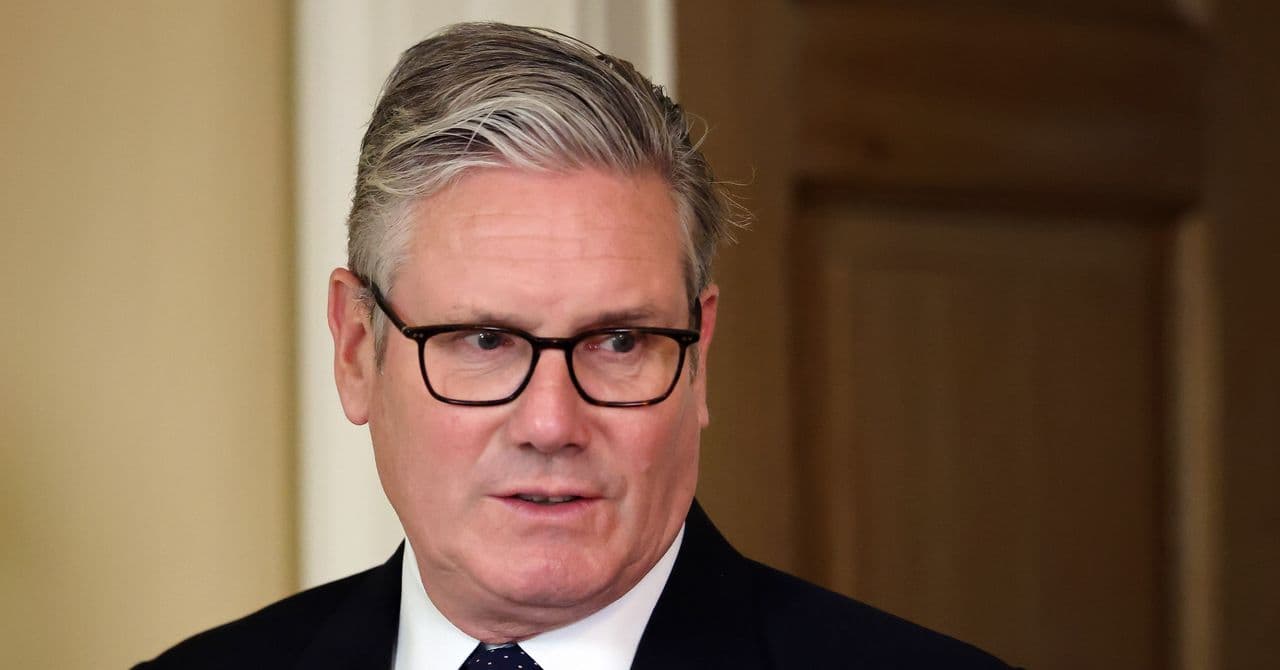
The UK government's recent announcement of a sweeping ban on social media for children under 16 has ignited a complex debate about the balance between safety and freedom in the digital age. This decision, following Australia's lead, marks a decisive step in a growing global movement to safeguard young people from the darker aspects of online interaction. As Prime Minister Keir Starmer articulated during the policy announcement, the intent is to create a safer online environment for children, free from the potential harms of social media and unregulated internet spaces.
The rationale behind this ban is grounded in a genuine concern for the mental and emotional well-being of the younger generation. Social media platforms, while offering opportunities for connection and creativity, have also been linked to a host of issues including cyberbullying, exposure to inappropriate content, and mental health challenges. The UK's approach aims to mitigate these risks by preventing children under 16 from accessing these platforms, a strategy that is both bold and controversial.
But Is This the Right Approach?
Despite its intentions, the ban has not been universally welcomed. Critics argue that it might be an overly simplistic solution to a multifaceted problem. The internet is an integral part of modern life, and simply cutting off access does not address the root causes of the issues it presents. Moreover, enforcing such a ban raises significant practical challenges. As noted in a Reddit discussion, the effectiveness of similar policies in Australia remains under scrutiny, with ongoing debates about whether these measures genuinely protect children or merely push harmful interactions into less visible corners of the web.
Additionally, there is a significant concern about the ban's impact on children's digital literacy. By restricting access, are we inadvertently hindering their ability to navigate and understand the digital world they will inevitably inhabit as adults? These concerns highlight a fundamental tension between the desire to protect and the need to educate and empower.
The Global Shift in Online Safety Policies
The UK's decision reflects a broader international trend towards stricter online safety regulations. As governments worldwide grapple with the digital challenges faced by young people, there is a growing consensus that action is necessary. However, the form that action takes varies significantly. While Australia and the UK have opted for outright bans, other countries are exploring alternative measures such as digital literacy programs and enhanced parental controls.
This divergence in approaches underscores a critical question: what is the most effective way to protect children online? It is clear that no single strategy will work universally. Each country's policy must consider cultural, technological, and social factors unique to its context. As the UK plans to "learn the lessons from Australia's experience," it will be crucial to monitor and adapt their approach based on real-world outcomes.
Looking Ahead: What Changes Next?
As the UK prepares to implement this ban, the coming months will be pivotal in determining its success. Policymakers will need to address enforcement mechanisms and potential loopholes that children might exploit. Moreover, there will be a need to engage with digital platforms to ensure compliance and explore technological solutions that balance safety with usability.
The broader implications of this ban are profound. It could serve as a catalyst for other nations to reevaluate their online safety policies, potentially leading to a more unified global approach. However, it also risks creating a patchwork of regulations that complicates international digital interactions. Ultimately, the success of such measures will depend on their ability to evolve and adapt in response to the dynamic nature of the internet and its users.