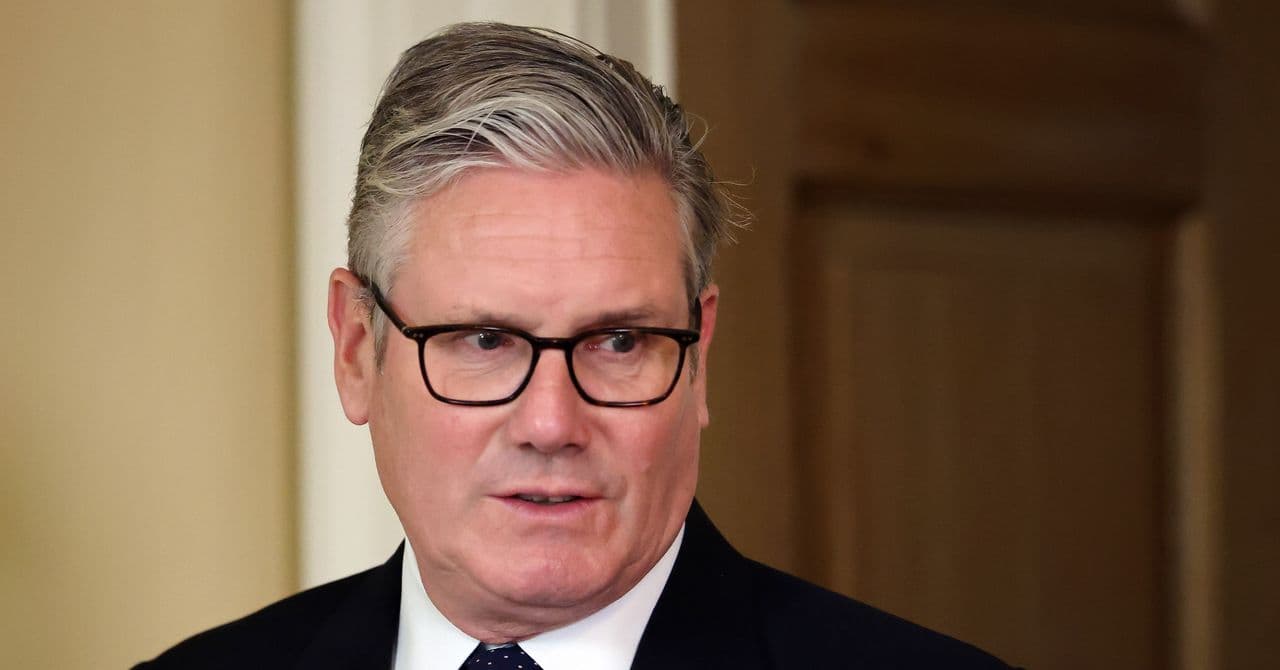
The UK government's decision to ban social media for children under 16 has ignited a heated debate about the balance between digital safety and personal freedom. Prime Minister Keir Starmer's announcement highlighted the growing concern over the online safety of young people. This move positions the UK alongside Australia, which has implemented similar restrictions. The policy aims to protect children from harmful online interactions, but it raises important questions about its effectiveness and implications.
Are Blanket Bans the Right Approach?
The core of the UK's new policy is a sweeping restriction on social media access for those under 16. The government's intention is clear: to shield young users from the internet's darker corners. According to a report by Wired, this includes preventing children from using chatbots with potentially dangerous capabilities. While the goal is noble, critics argue that such blanket bans may not effectively address the nuanced nature of online risks.
Prime Minister Starmer questioned the safety of social media environments for children, implying that the current digital landscape is inherently unsafe. However, critics suggest that a one-size-fits-all approach is too simplistic. The internet is a vast ecosystem where children can both encounter risks and find educational opportunities. By enforcing a broad ban, the policy may inadvertently limit children's access to beneficial online resources.
The Real Problem Lies Deeper
An underlying issue with the UK's policy is its focus on prohibition rather than education and empowerment. Simply banning access does not address the root causes of online threats, such as cyberbullying or inappropriate content. Instead, there is a call for more comprehensive digital literacy programs that equip young people with the skills to navigate the online world safely.
Experts argue that education, rather than restriction, is key. Teaching children how to critically assess online content and recognize potential threats can foster a more resilient digital generation. This approach not only empowers young users but also respects their agency in the digital space.
What Changes Next?
As the UK prepares to implement this policy, significant changes in digital interaction are expected. The Verge reports that in addition to the social media ban, there will be restrictions on online gaming interactions and the use of chatbots. These measures reflect a broader trend towards tighter internet regulation, but they also raise concerns about overreach.
The implications extend beyond just social media. With these restrictions, children might find themselves isolated from online communities that offer support and encouragement. This could impact social development and limit exposure to diverse viewpoints. Policymakers must consider these potential consequences as they refine the framework of the ban.
Finding a Balanced Approach
In conclusion, while the UK's social media ban for under-16s aims to protect children, it may not be the ultimate solution. A balanced approach that combines regulation with education could offer a more effective path forward. By focusing on enhancing digital literacy, the UK can empower its youth to safely engage with the digital world, rather than simply restricting access.