
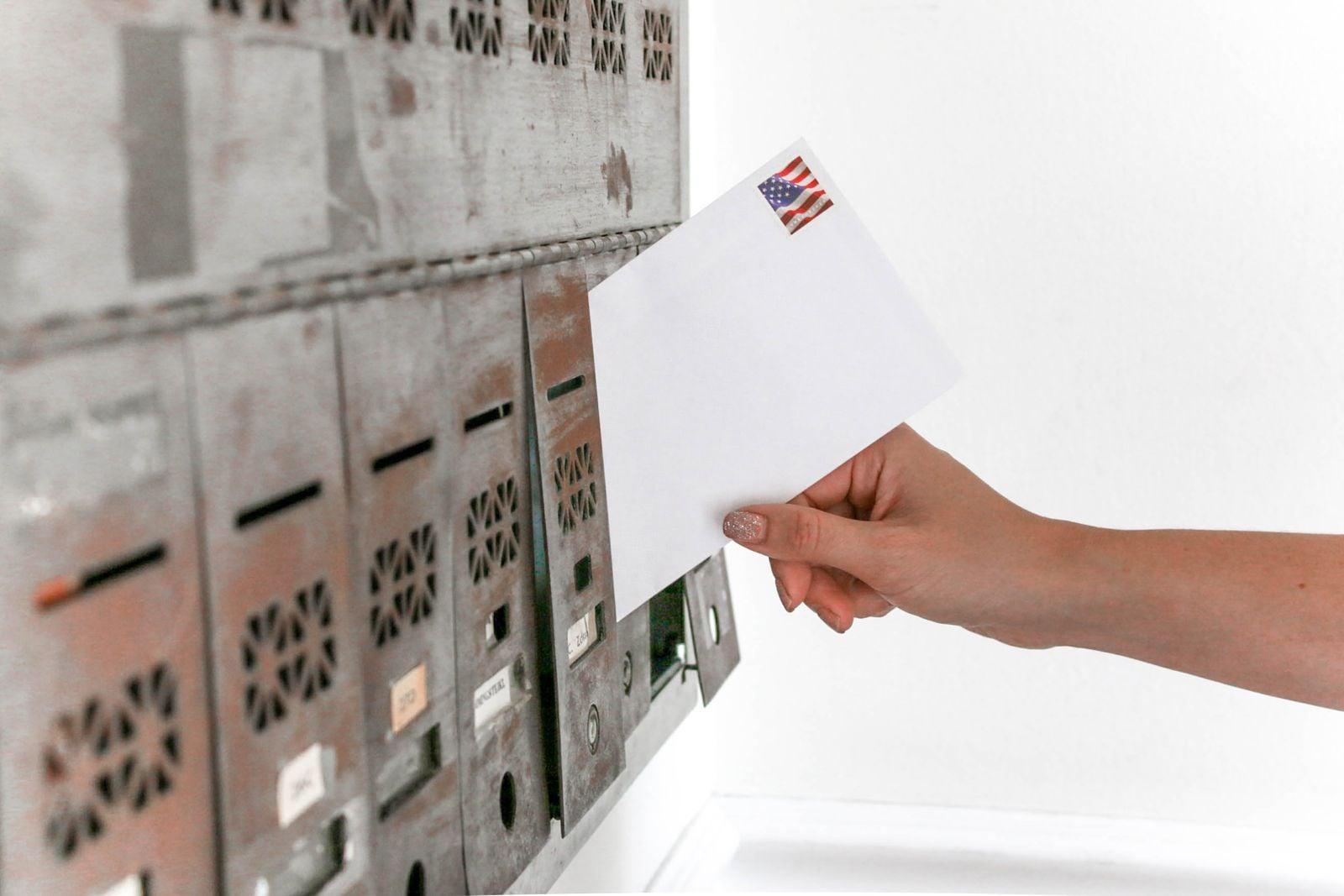
In the realm of mail voting, the United States Postal Service (USPS) plays a pivotal role. However, recent developments have spotlighted significant challenges that threaten the integrity of the voting process. The USPS's rushed implementation of a mail-ballot verification system is at the heart of these concerns, with potential widespread consequences for upcoming elections.
Why USPS's Speedy Rollout Sparks Concern
The USPS introduced a new mail-ballot verification system in just ten weeks, a timeline that raises eyebrows given its potential to reject thousands of ballots due to a single barcode error. This system, as reported by DMNews, was implemented over internal objections, suggesting a disconnect between operational readiness and administrative decisions. The risk of rejecting entire batches of ballots could disenfranchise many voters, undermining confidence in the electoral process.
The False Sense of Security in Timely Deliveries
On the surface, the USPS's performance appears commendable, with a reported 99% of primary ballots delivered on time in 2026. However, beneath this achievement lies a troubling reality. An audit disclosed that 30% of facilities lacked essential election training materials, and some sites mishandled postmarking. These operational gaps, highlighted in another DMNews report, point to systemic inefficiencies that could jeopardize the integrity of ballot handling.
Implications of New Executive Orders
The USPS is now tasked with adapting to a Trump administration executive order that mandates stricter mail voting verification processes. This directive, currently under Supreme Court review, compounds the pressure on an already strained system. The audit findings suggest that while the USPS can meet delivery targets, its internal processes are not yet robust enough to handle additional verification demands without risking ballot integrity.
What Changes Next?
Moving forward, the USPS must address these operational inefficiencies to ensure that mail voting remains a reliable option for voters. This involves not only refining the verification system to prevent unjust ballot rejections but also ensuring comprehensive training across all facilities. Failure to do so could lead to increased public distrust and potential legal challenges, especially if the Supreme Court upholds the new executive order.
In sum, while the USPS has demonstrated its ability to deliver ballots on time, its internal challenges present significant risks that require urgent attention. Ensuring the integrity of mail voting is crucial for maintaining public confidence in the electoral system, and the path forward must involve careful balancing of speed, accuracy, and comprehensive training.