
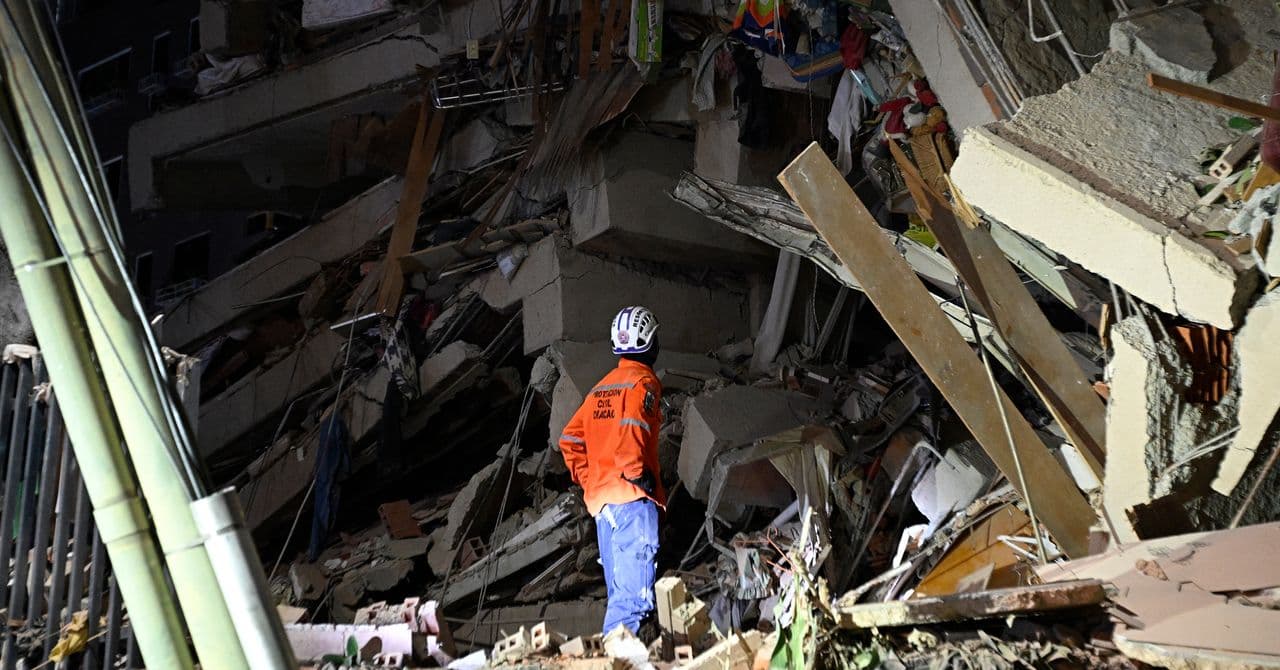
In a dramatic and devastating sequence, Venezuela was hit by two massive earthquakes, both registering a 7.5 magnitude, within the span of less than a minute. This rare occurrence, known as a 'seismic doublet,' has left the nation reeling, with thousands feared dead, according to Wired. These earthquakes were the most powerful the country has experienced in over 125 years, setting off a state of emergency declared by the interim leader.
Seismic Doublets: More Than Just a Rare Phenomenon
The concept of a 'seismic doublet' is not just a geological curiosity. It represents a significant challenge for regions sitting atop fault lines. As Wired reports, the recent quakes in Venezuela were a textbook example of this phenomenon. Stress from one part of the fault was transferred to another, causing two almost simultaneous shocks. This rapid succession is particularly damaging as it gives little to no time for evacuation or immediate response efforts.
Despite the rarity, these events should not be dismissed as anomalies. Instead, they highlight the need for preparedness in areas prone to seismic activity. The geological stress transfer can lead to unexpected and severe consequences, making it imperative for urban planners and governments to integrate this knowledge into disaster preparedness strategies.
Vulnerability Exposed: A Crisis in Building Standards
While the natural disaster itself was unavoidable, the extent of the destruction brought to light another critical issue: the vulnerability of Venezuela’s infrastructure. Wired's analysis of the aftermath points to structural failures that were not uniform across the affected regions. Some buildings collapsed entirely, while others remained relatively unscathed. This disparity is largely attributed to differences in soil types and the construction methods employed.
The short interval between the quakes compounded the damage. Buildings that might have withstood a single event were unable to handle the cumulative stress of two. This suggests that current building codes may not be robust enough to account for such rapid successive events, indicating a need for stricter regulations and improved construction techniques that can better withstand these unique seismic threats.
What Changes Next: Building Resilience in Vulnerable Zones
The recent tragedy in Venezuela underscores a pressing need for change. Future resilience does not merely lie in recovery but in proactive adaptation. Urban development must now consider the potential for seismic doublets and the particular soil conditions that exacerbate damage. This means revising building codes to ensure they are equipped to handle the compounded stresses of such events.
Additionally, governments must invest in seismic monitoring technologies and public education campaigns to prepare citizens for potential quakes. By understanding the underlying geophysical processes and soil dynamics, we can mitigate the risks and safeguard communities.
In conclusion, while the earthquakes in Venezuela were a natural disaster, the scale of human impact was not solely due to nature's force. It was an urgent reminder of the vulnerabilities within our built environments. As we look to rebuild, the focus must be on resilience and foresight, ensuring that such devastations do not repeat with the same intensity.